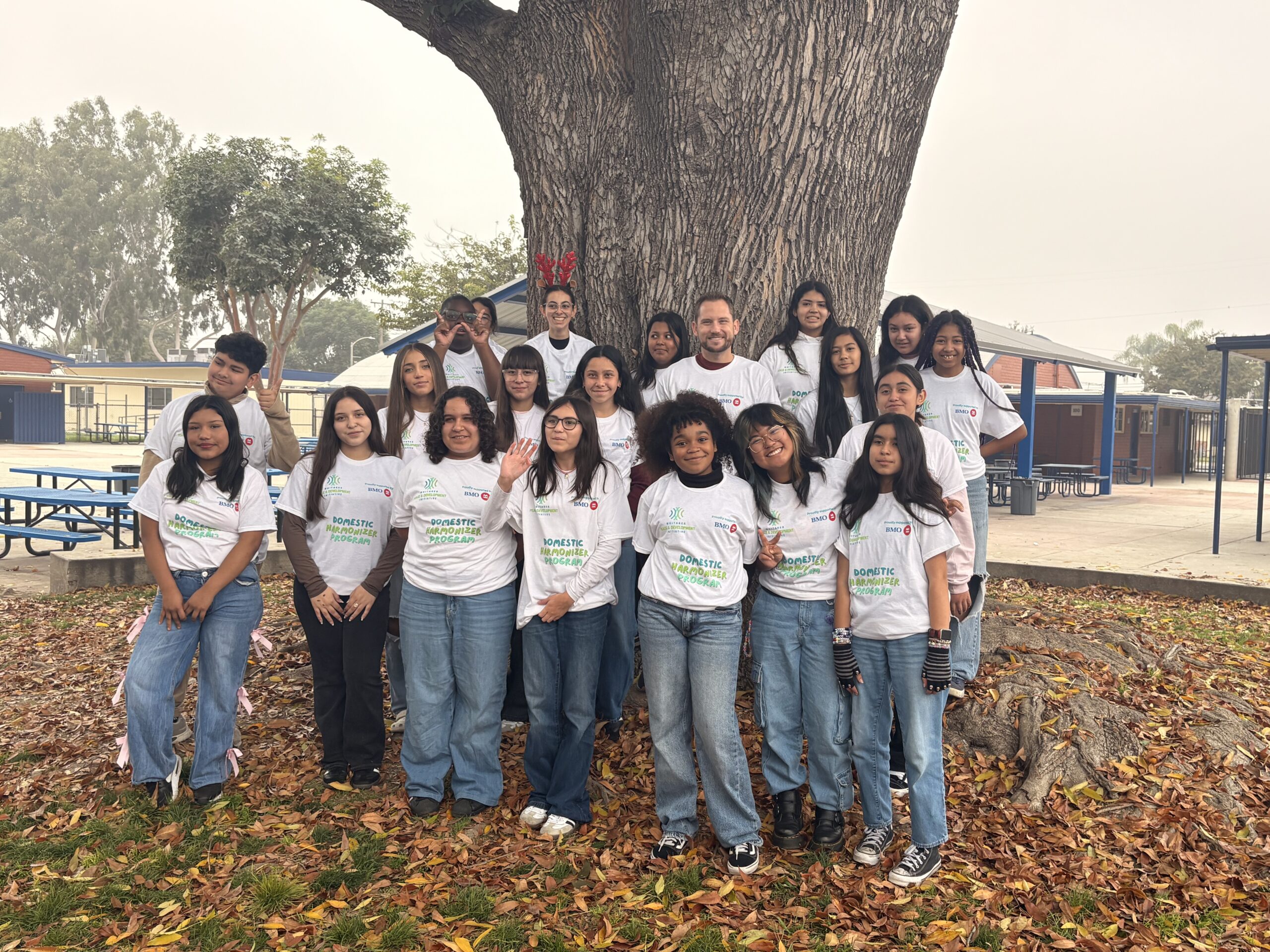
October 12, 2026 – Ten years ago, in September 2016, Forest Whitaker launched the Domestic Harmonizer Program (DHP) as a pilot at Carnegie Middle School in Carson, California. What began as a conflict resolution education (CRE) pilot has grown into a broader peacebuilding initiative with 28 partnerships, including schools, districts, regional education agencies, and youth-serving organizations across California and Washington.
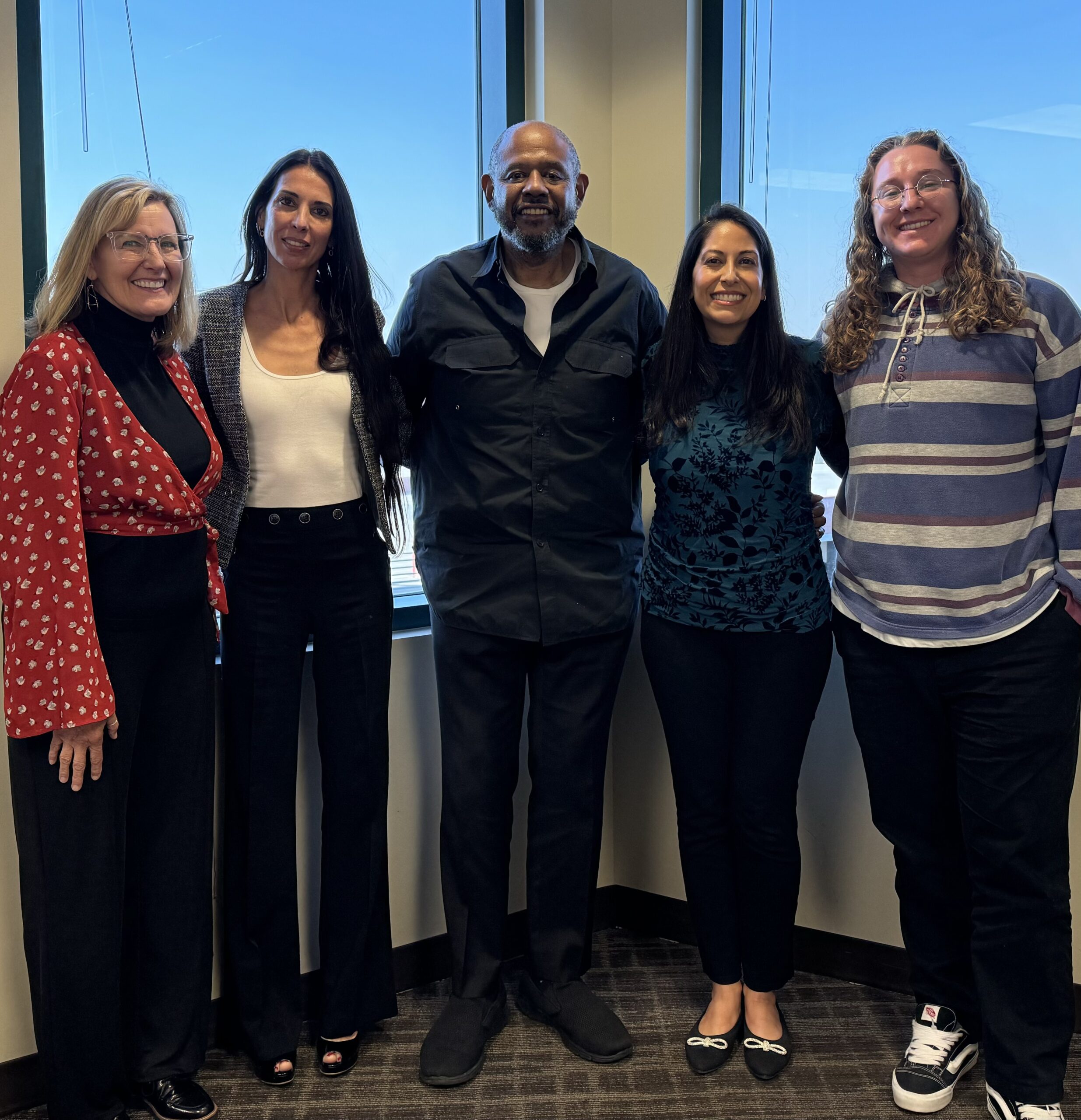
Over the past ten years, DHP has evolved into a full-scale peacebuilding initiative. Now serving elementary, middle, and high school communities across California and Washington, the program incorporates peer mediation and social-emotional learning (SEL).
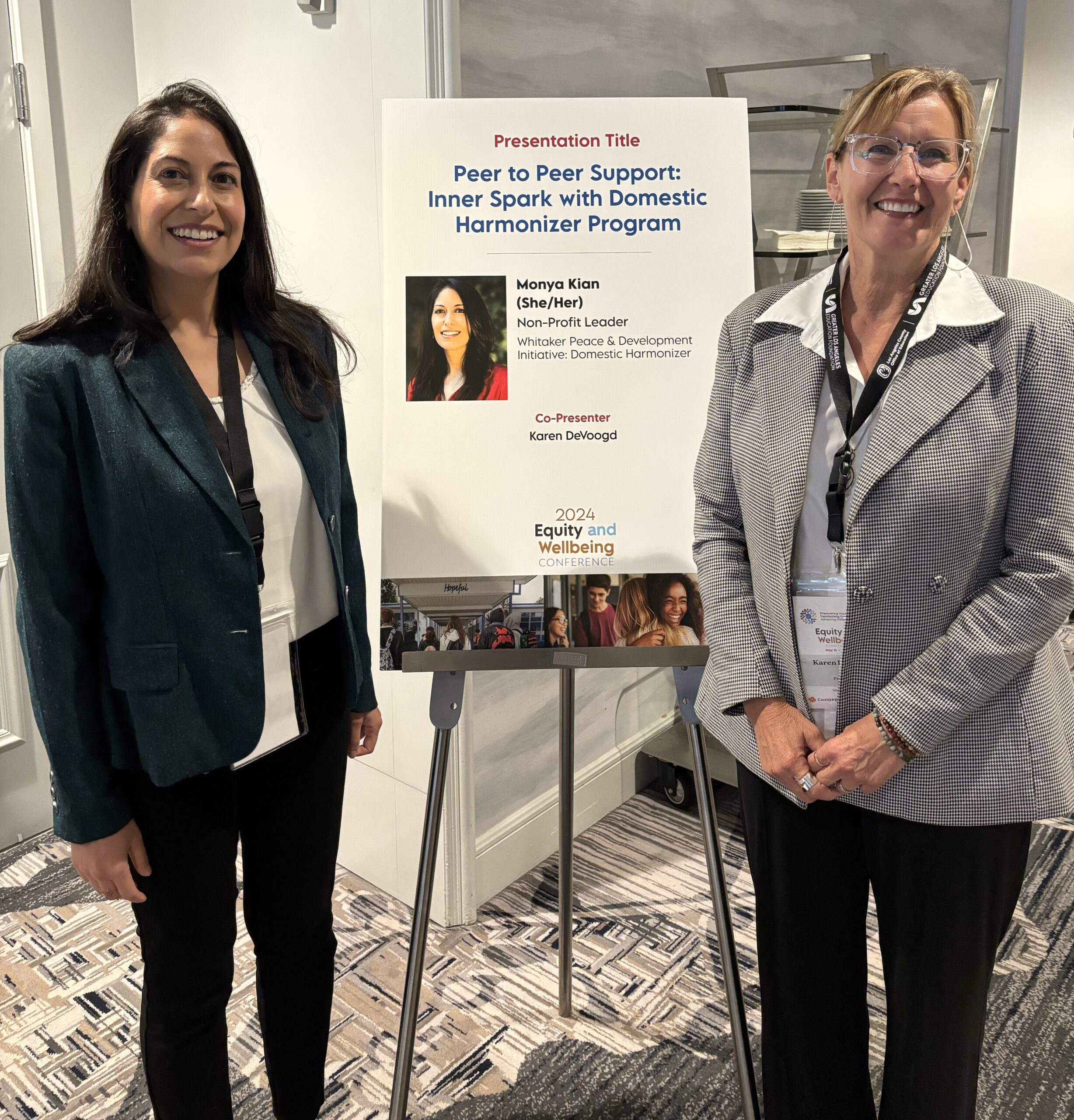
Marking a decade of impact, Domestic Program Director, Monya Kian, and Conflict Resolution Education Trainer, Karen DeVoogd, look back on the pivotal lessons that have driven our work forward.
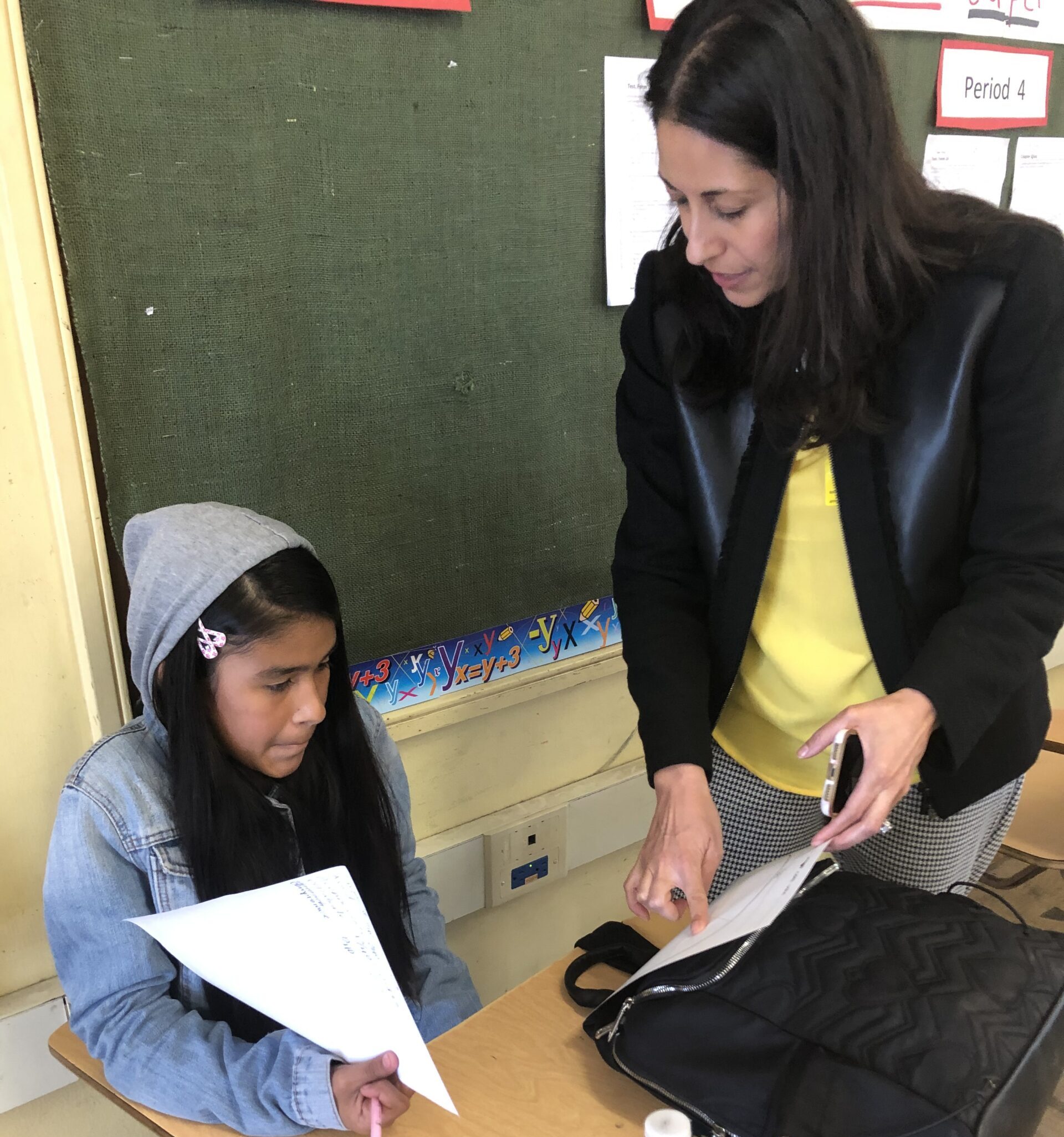
Monya’s Reflections:
1. Get comfortable with change.
Schools are always changing, whether it’s new staff, shifting priorities, or unexpected challenges. I’ve learned that building strong partnerships means being flexible and adjusting as things change, while keeping our mission at the heart of the work.
2. You need both top-down and bottom-up support.
For DHP to become part of a school’s culture, leadership must support the work while educators and students embrace it. When there is buy-in at both levels, conflict resolution can become part of how a school approaches relationships and conflict, not just another program.
3. Kids are natural conflict resolvers.
Young people are highly receptive to conflict resolution. Give them the tools to listen, communicate, understand different perspectives, and solve problems, and they rise to the occasion. They are not only capable of learning these skills, they are searching for them.
4. Peacebuilding starts at home and in schools.
Peacebuilding is something we need to teach and practice, just like any other subject. The skills to communicate, manage conflict, build healthy relationships, and practice empathy begin at home and in schools, where young people spend so much of their lives.
5. The work is important, but it’s still a hard sell.
Schools are overwhelmed, and time and resources are often limited. Even when educators value conflict resolution and SEL, implementing something new can be difficult. Building trust, responding to schools’ needs, demonstrating impact, and staying persistent are all part of the work.
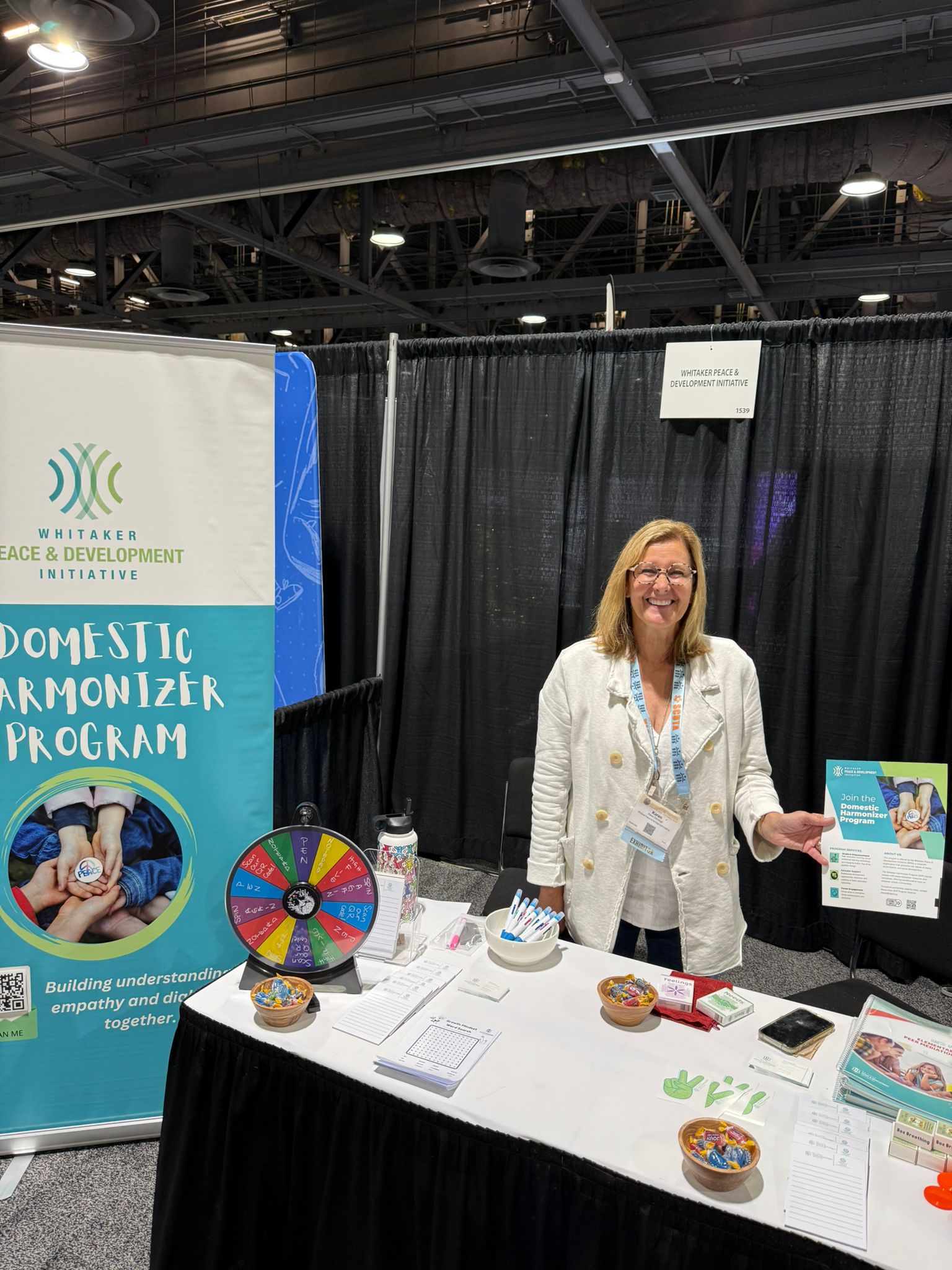
Karen’s Reflections:
6. Kids are good at teaching their peers.
Our mediation and Inner Spark (SEL) programs are peer-to-peer models. Students understand the stories, the realities and the values that their peers hold. Once they have the skills, they can step in and support their classmates and teach them how to navigate conflict effectively. This teaching is true culturally appropriate work.
7. Every day offers a chance to learn something new.
I have been working in schools for many years, and although the DHP content is based on well established concepts of conflict, the insights that students and teachers bring to the teaching and learning are always framed a bit differently. Questions from learners challenge me to think more deeply about our work, and examine who I am as a peace maker. Sometimes I don’t know what I know until I say it outloud!
8. Courage is what peace demands of us. (borrowed from WPDI’s CEO – Forest Whitaker)
There are days when a challenging group dynamic or a challenging school situation can feel daunting. Those are the days that I need reminding that we should expect difficulties as we are working in conflict analysis and sometimes that can be “messy”. It takes courage to push into and through those challenges because it is crucial that we make progress to bring more peace to our schools and our communities.
9. You never know where the ripple effect may land.
It is so encouraging to hear from the students we have worked with that they use their skills in spaces beyond their schools in unplanned ways. The influence of DHP learning has empowered students to select future study in related fields of communication and conflict resolution. It is a “pay it forward” opportunity as our students go out into their world. As Monya reminds us, these skills are “fully transferable” and “have no expiration date”.
10. Team work makes the dream work!
This project has remained relevant and strong because of the adaptability of our leaders in honoring the thinking of all the team members. We are welcomed into the problem solving and innovation conversations at every turn. It takes a solid team to do this work. It’s a rare and wonderful experience to be part of the DHP team!
Ten years later, we are proud of how far DHP has come, from one middle school pilot to 28 partnerships across multiple grade levels and regions. Most importantly, we have learned that peace is not simply something we hope for. It is something we can teach, practice, and build: one student, one school, and one community at a time.