« Receiving sanitary pads made me feel cared for, and the information helped me feel more confident about my body. »
July 6, 2026 – For too many girls, getting their first period can be a complicated milestone. It can bring intense feelings of isolation, fear of rejection, and physical pain – heavy burdens that often turn into a flood of unanswered questions. Compounding this psychological toll is a distinct, systemic challenge: a severe lack of reliable information and basic access to menstrual products. These hurdles collectively disrupt school and daily life, deeply impacting young women’s mental health.
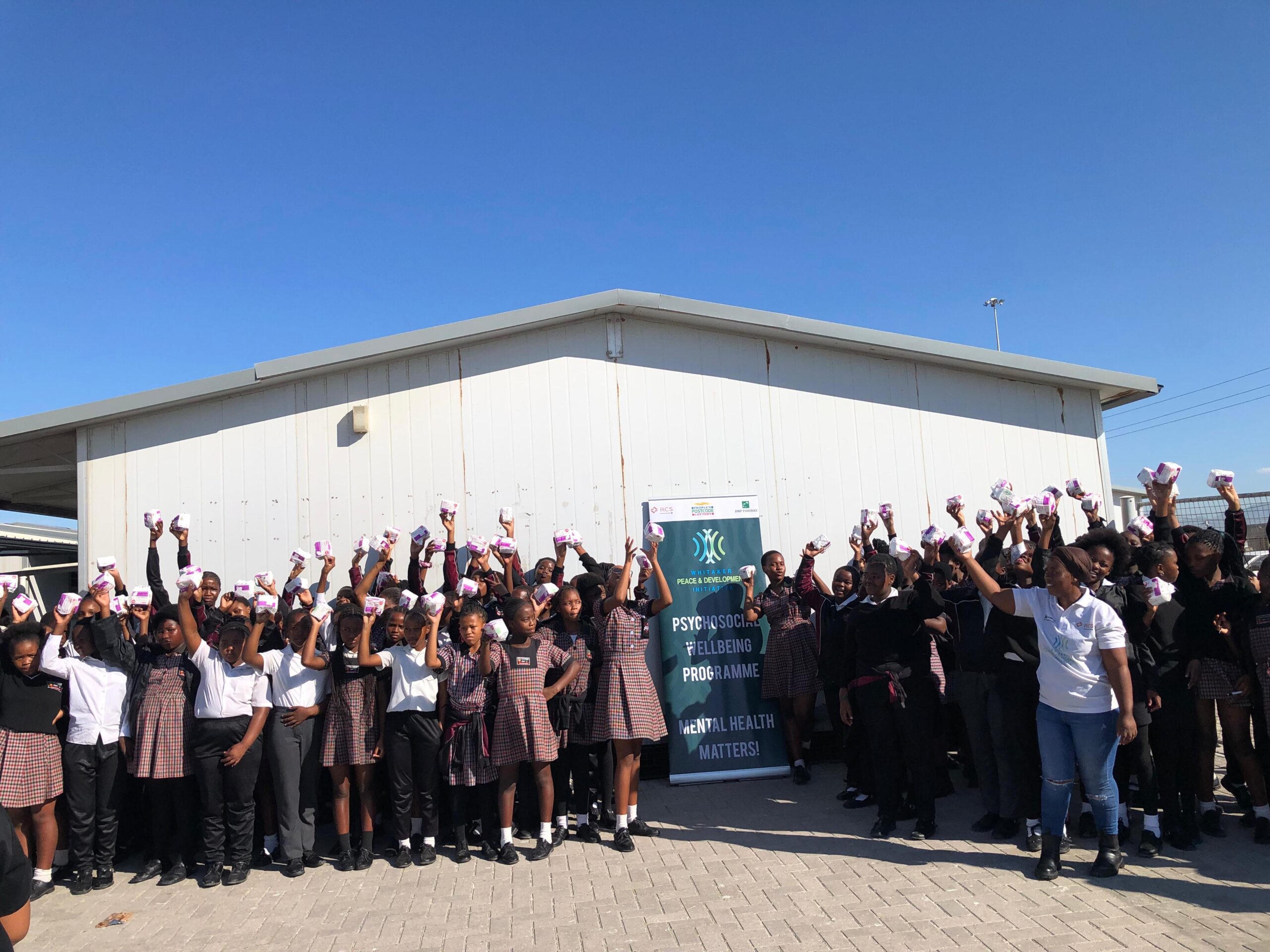
Between February and May, WPDI South Africa’s Sexual and Reproductive Health and Rights (SRHR) Sanitary Pads Drive reached 5,415 learners across 40 schools in the Cape Flats. By combining the distribution of sanitary pads with interactive sessions on menstrual health, sexual and reproductive health rights, and bodily autonomy, the program addressed key practical, educational, and psychological needs of young learners.
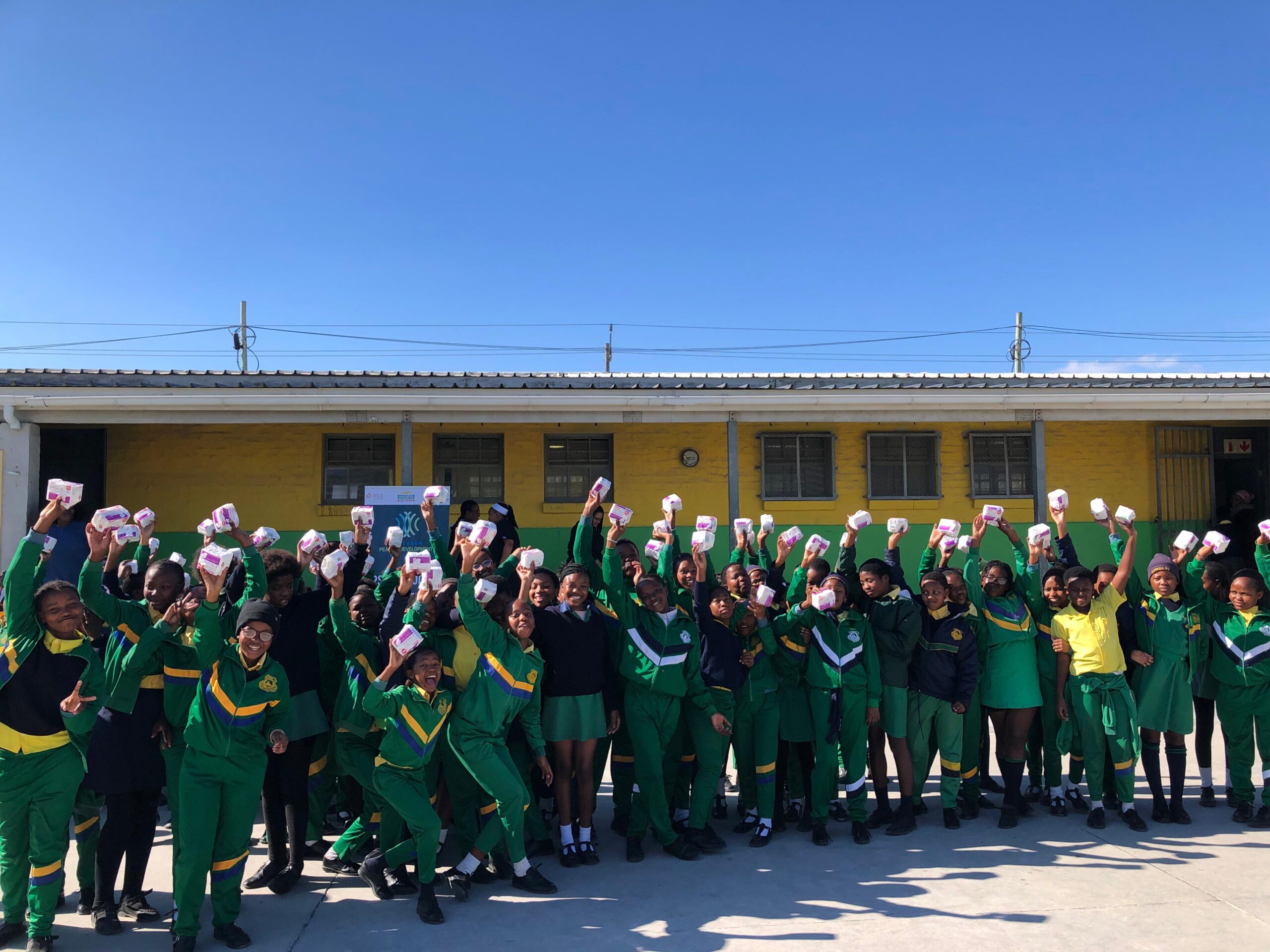
Providing sanitary pads helped ensure that girls could remain in class and participate fully in school life. Equally important were the conversations that accompanied the distributions. Through open and supportive discussions, learners were encouraged to ask questions, better understand their bodies, and learn about their rights in a space free from judgment.
In many communities, menstruation is still surrounded by stigma and silence. By creating opportunities for honest conversations, the program helped normalize menstruation while equipping learners with knowledge that will support them well beyond the classroom.
For Desire from Lavender Hill Secondary School, the program changed how she experienced her period.
« Before this program came to our school, I used to feel embarrassed when I was on my period, especially when I did not have pads. The health talk helped me understand that menstruation is normal and nothing to be ashamed of. Receiving sanitary pads made me feel cared for, and the information helped me feel more confident about my body. »
For Zanele from Langa School, the sessions introduced important lessons about health and personal rights.
« The session taught me things I had never been taught before about menstrual hygiene, sexual and reproductive health rights, and bodily autonomy. I now understand that I have a right to ask questions, to protect my body, and to speak up when something feels wrong. It made me feel empowered as a young girl. »
Teachers also witnessed the program’s impact firsthand. Mrs. Mdaka from Xolani Primary School reflected on the value of combining essential resources with education.
« This initiative has made a meaningful difference in our school. The sanitary pads helped ensure that learners did not have to miss class because of their periods, but the health talk was equally important. It gave the girls knowledge, confidence, and dignity. Many of them asked questions openly, and I could see that they felt seen and supported. »
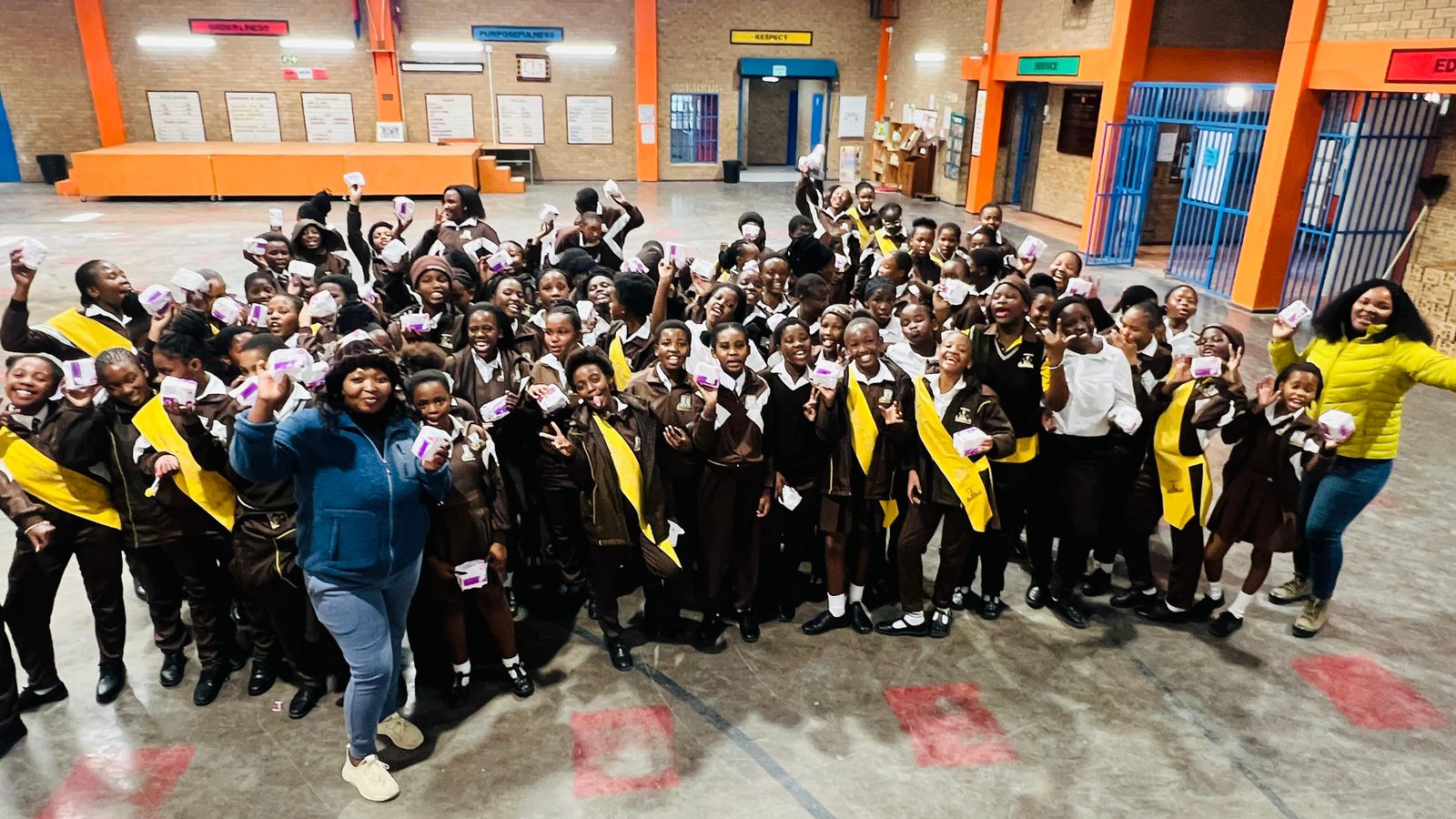
The SRHR Sanitary Pads Drive demonstrates that addressing menstrual health requires looking at the whole girl, not just her immediate physical needs. Providing a sanitary pad solves a practical problem, but pairing that pad with objective information and a safe space for conversation transforms a medical commodity into an act of profound care. By treating menstruation not as a logistical hurdle, but as a deeply human experience deserving of careful attention, the program does more than keep girls in school – it surrounds them with the dignity, knowledge, and support they need to thrive.
In partnership with