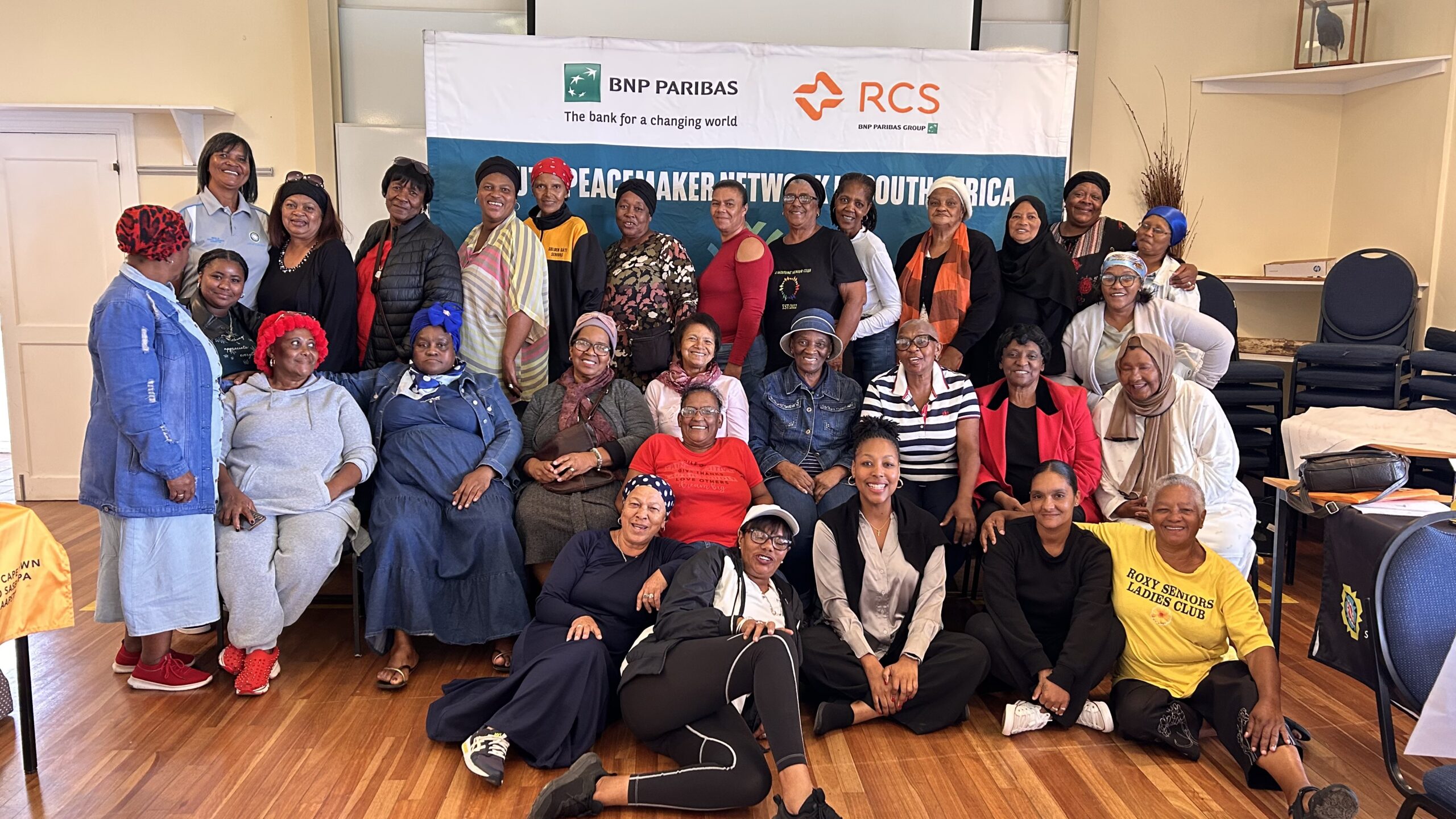
April 8, 2026 – Earlier this year, WPDI South Africa facilitated a psychosocial well-being training session with an older persons’ group in Cape Flats, reaching 30 participants and creating a safe, supportive space for learning, reflection, and practical skill-building. In communities where many older women are not just the sole bread-winner of their single-parent family, but also the de facto emotional anchors of families and neighborhoods, the need for accessible mental health support is significant. Participants arrived not only as individuals but also as caregivers, mentors, and trusted members of community groups, where they regularly provide emotional support to others. For that reason, the training focused not only on personal well-being but also on strengthening their ability to respond compassionately and appropriately to psychosocial needs within their communities.
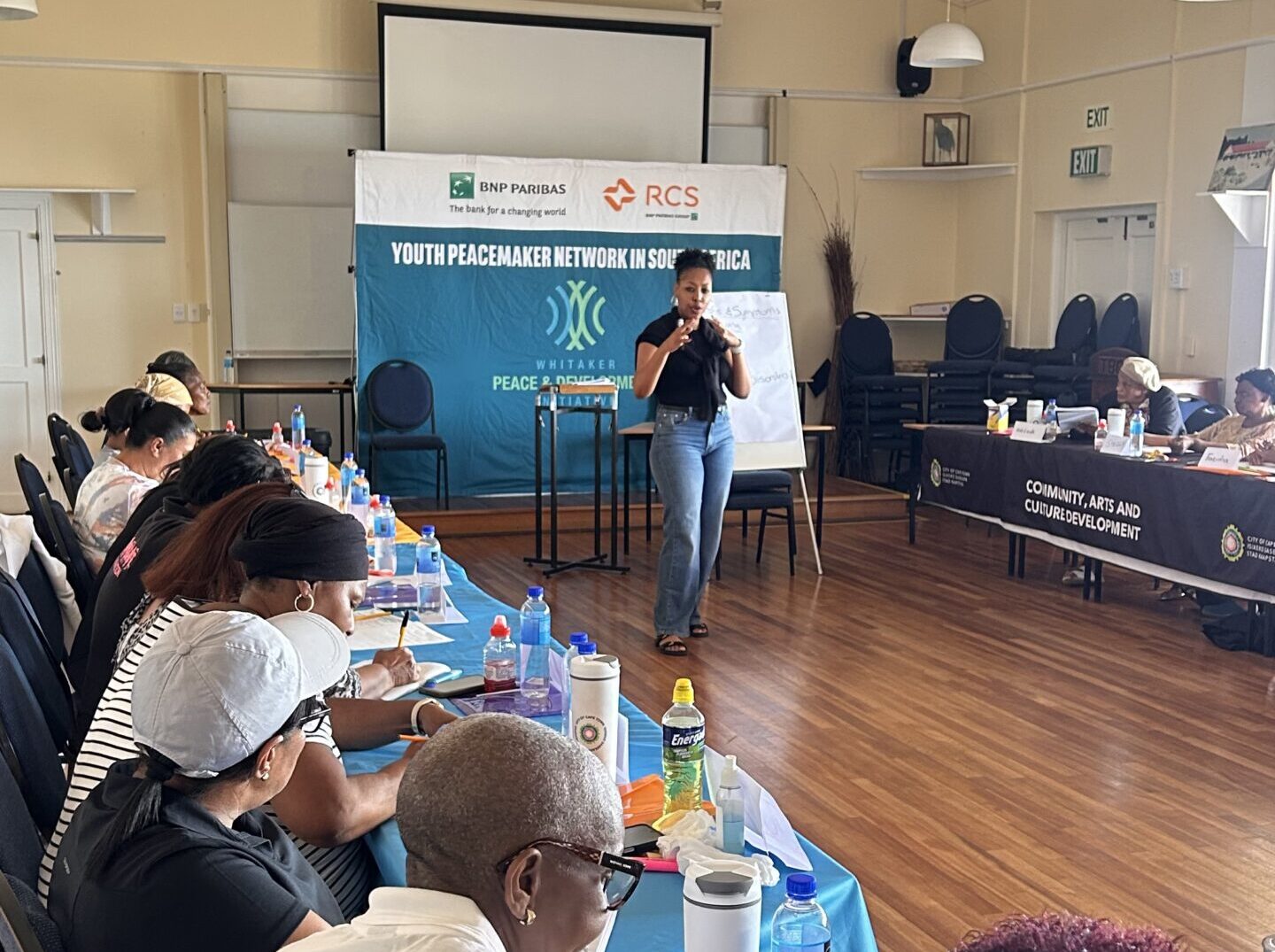
Over three days, participants actively engaged in discussions and activities, demonstrating a strong commitment to applying the knowledge in real-life contexts. Together, they explored defining and understanding trauma, the different types of trauma, and common signs and symptoms. Sessions also examined how post-traumatic stress disorder can present in everyday life and unpacked the concepts of mental health and mental well-being. Practical coping strategies were introduced, simple, accessible techniques that can be used at home and shared with others.
Just as important was the space for self-awareness and healing. Through guided reflection and peer support, participants were able to identify and name their own lived experiences of trauma and consider how those experiences may still be affecting them. As Charmaine Jacobs shared, “This training helped me understand trauma in a way I never did before. I realised some of the things I have carried for years are actually trauma, and it was healing just to name it. The coping strategies we practiced are simple, but powerful. I’m already using them at home, and I’m sharing them with the women in my community group.”
Pearly Arries reflected on how the training strengthened her confidence: “I support people in my community often, but I didn’t always know what to say or how to help without becoming overwhelmed myself. Now I can recognize signs of stress and trauma, and I feel more confident to listen, comfort, and guide someone in a respectful way. I also learned that I must take care of my own mental well-being, too.”
By the end of the training, participants reported increased confidence in recognizing distress, offering basic support, and encouraging healthy coping and help-seeking behaviors. Debbie Jonas captured the atmosphere best: “The activities really spoke to me. I felt safe, I felt heard, and I didn’t feel judged. I learned about PTSD and how trauma shows itself in the body and emotions. I’m leaving with hope not only for myself, but because I know I can take these skills back to my community and help others start their healing journey as well.”
In partnership with