“We are strengthening current practices while laying the groundwork for long-term resilience to climate shocks.”
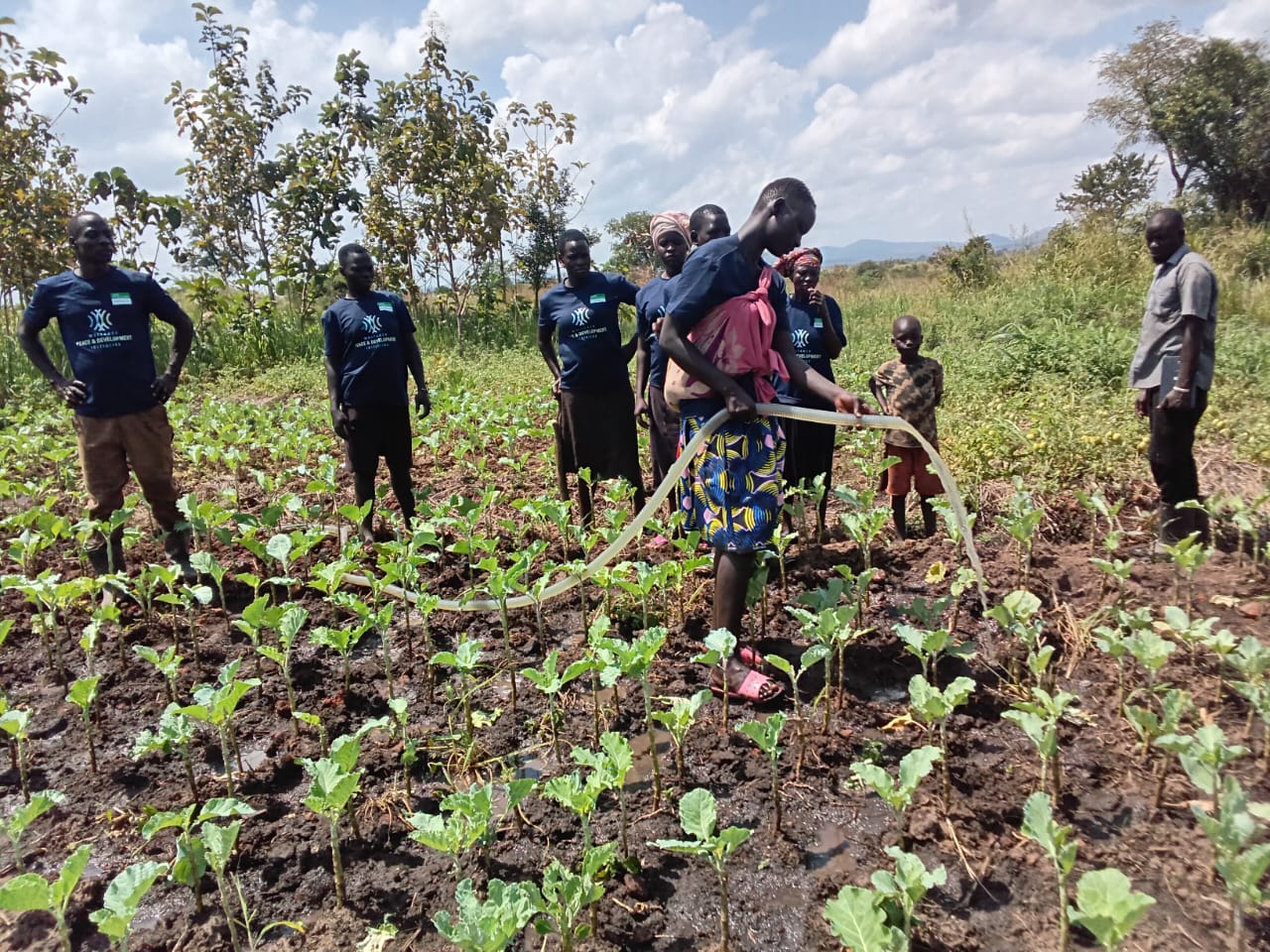
December 17, 2025 – In October 2025, WPDI advanced its climate-smart agriculture programming in Ayilo II Refugee Settlement in Uganda through a practical demonstration of solar-powered irrigation. The activity brought together 15 refugee farmers, giving them hands-on experience with technologies and practices designed to support year-round vegetable production despite increasingly unpredictable rainfall.
As part of the initiative, WPDI established a demonstration site showcasing high-value vegetable production using a solar-powered, sub-surface drip irrigation system installed with SunCulture Ltd. The system provides a reliable water source during dry spells, reduces water loss, and supports efficient off-season crop production, such as tomatoes, onions, and leafy greens. Farmers also received training in water management, crop husbandry, and climate-adaptive techniques to help households shift from rain-dependent farming to more resilient, market-oriented agriculture.
Farmers expressed how significant this transition feels for their livelihoods. Adrupio Joyce, from the Amaseku Farmer Group, shared:
“Before this project, we relied only on rain-fed farming. Through LEAP II, WPDI, and SunCulture, we were introduced to solar-powered irrigation and off-season production. I have learned new skills that help me produce vegetables even when the rains delay. Our group is more organized, more confident, and more resilient, and the income we earn is already improving our households.”
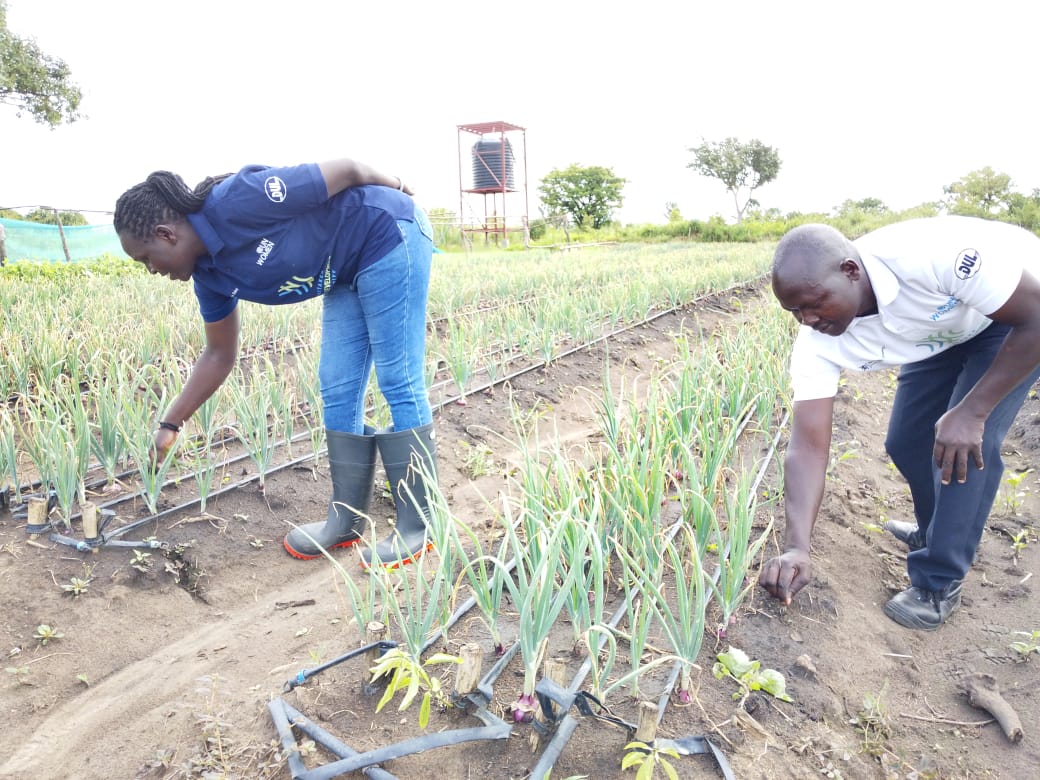
WPDI staff supporting the activity noted strong commitment and progress among participants. Andabati Jephate, WPDI Technical Staff for Climate Smart Agriculture & Business Skills Training, commented
“The farmers’ willingness to embrace climate-smart agriculture and adopt off-season production technologies represents the positive change we aim to support. By working with SunCulture and other partners, we are strengthening current practices while laying the groundwork for long-term resilience to climate shocks.”
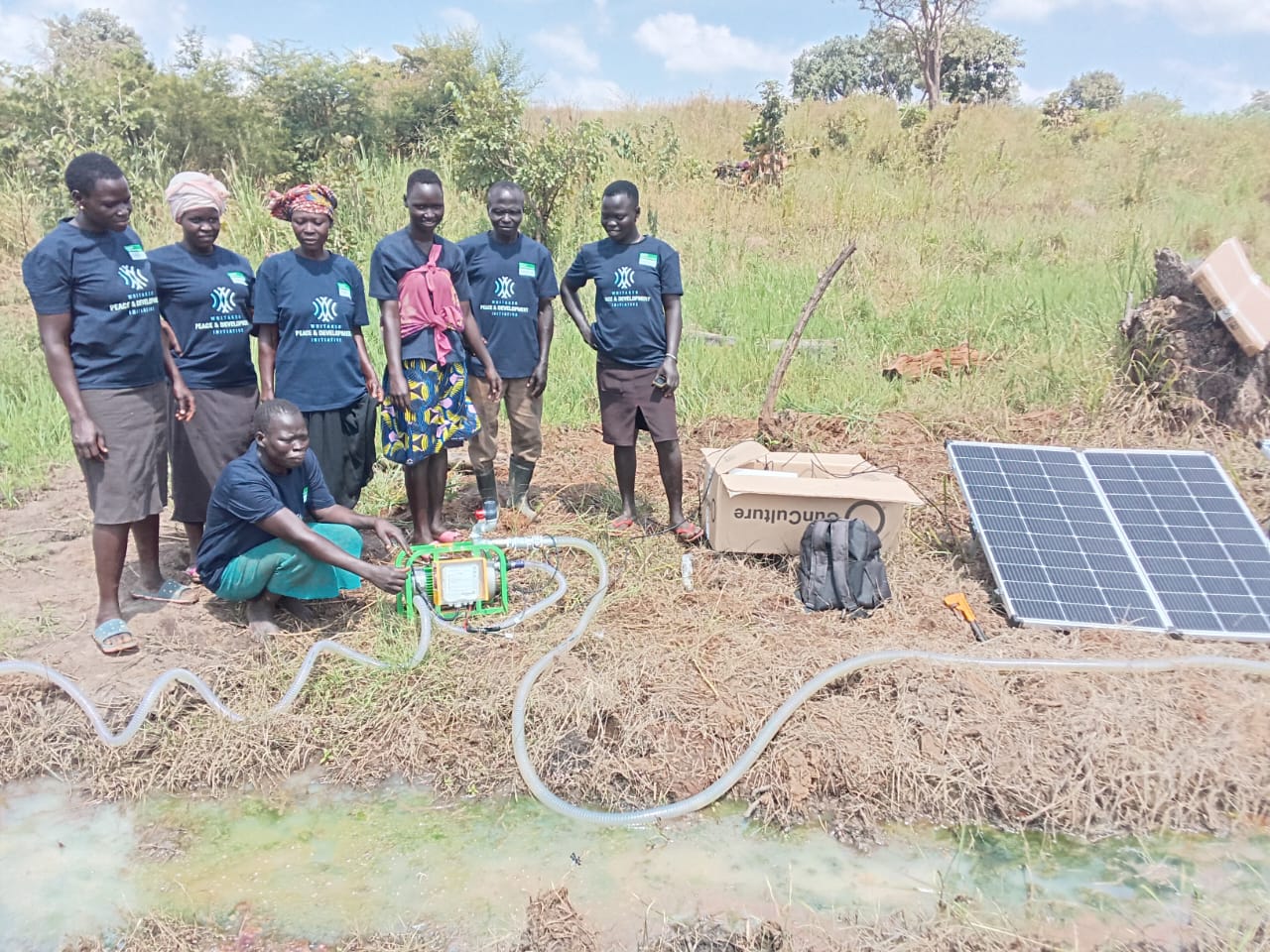
SunCulture’s field team also highlighted the farmer groups’ readiness to integrate new technologies into their production cycles. As Anthony Okello, Field Technician at SunCulture, emphasized:
“The farmer groups showed exceptional commitment and a very positive attitude toward learning. Their engagement during installation and training reflects their readiness to adopt climate-resilient agriculture. Their enthusiasm gives us confidence that this model will continue to expand and benefit more communities.”
The site now functions as a living learning space where local farmers observe crop performance, practice system maintenance, and share experiences. Early outcomes show strong potential to increase productivity, improve access to nutritious vegetables, and boost household income, particularly for women-led groups applying the techniques with confidence.
Through this project, WPDI continues to strengthen farmers’ capacity in Ayilo II to adapt to climate pressures and pursue sustainable agricultural livelihoods. Solar-powered irrigation, combined with practical training and community engagement, is proving to be a vital step toward long-term food security and climate resilience. Beyond immediate gains in productivity and income, this initiative demonstrates how innovation and partnership can transform fragile contexts into hubs of opportunity. By equipping refugee farmers with tools and knowledge to thrive despite climate uncertainty, WPDI and its partners are not only addressing today’s challenges but also investing in a future where communities can lead their own path toward stability and growth.
In partnership with