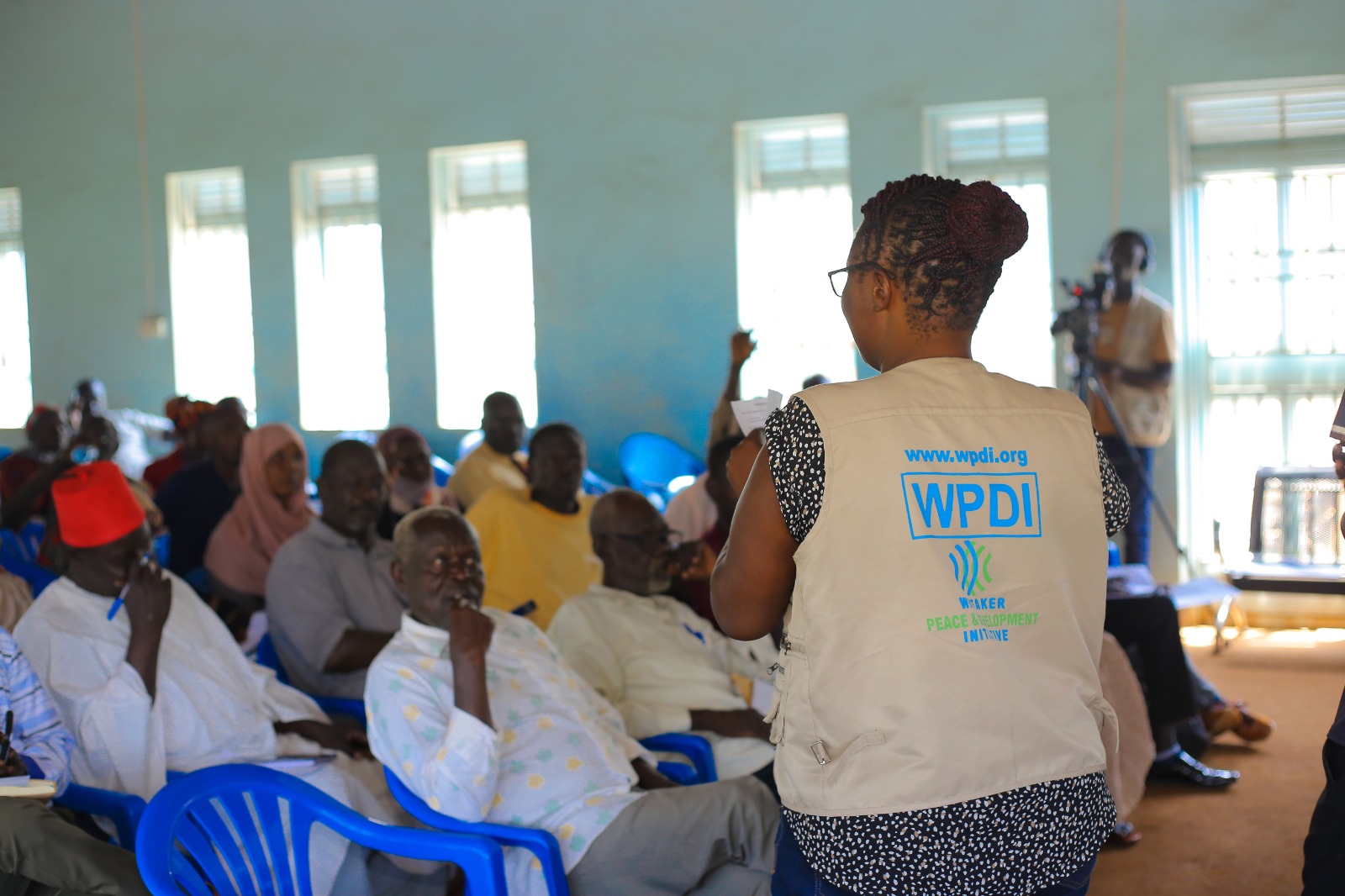
“ As a refugee woman in Kiryandongo Refugee Settlement, I often face many challenges, but the dialogues gave me a platform to share my experiences, express my views, and contribute to discussions affecting our community. I felt valued and recognized for the role women play in promoting peace, gender equality, and community development.”
August 26, 2026 – In the Kiryandongo Refugee Settlement, in Uganda, building peace means creating spaces where communities can come together, share their experiences, address challenges, and have a voice in decisions that affect their lives.
Over the past few months, WPDI Uganda held four community dialogue meetings, engaging 315 refugee and host community members, including women, youth, religious leaders, local leaders, and persons with disabilities. The dialogues provided participants with opportunities to strengthen their knowledge and skills in conflict resolution, mediation, peacebuilding, and human rights while identifying local challenges and developing solutions together.
For many participants, the meetings provided something just as vital: a chance to be heard.
“My participation in the WPDI community dialogue meetings has been truly empowering. As a refugee woman in Kiryandongo Refugee Settlement, I often face many challenges, but the dialogues gave me a platform to share my experiences, express my views, and contribute to discussions affecting our community. I felt valued and recognized for the role women play in promoting peace, gender equality, and community development. The discussions inspired me to continue supporting women and girls to overcome challenges, build resilience, and actively participate in creating peaceful and inclusive communities. Through these dialogues, I have gained hope, confidence, and a stronger commitment to promoting positive change in the settlement.” – Badrey Mohammed, refugee in the Kiryandongo Refugee Settlement.
The conversations built a better understanding between refugees and host communities. They also boosted participation from women and young people in peacebuilding.
In addition to the dialogues, three advocacy campaign meetings involved 290 participants, including district officials, community leaders, representatives from the Refugee Welfare Council, NGO staff, women, youth, and community peace advocates.
The campaigns focused on education service delivery, the protection of education from attacks, human rights, and peaceful coexistence. By bringing community members and decision-makers together, the initiatives strengthened advocacy skills and encouraged communities to take a more active role in influencing local decisions and advocating for equitable services.
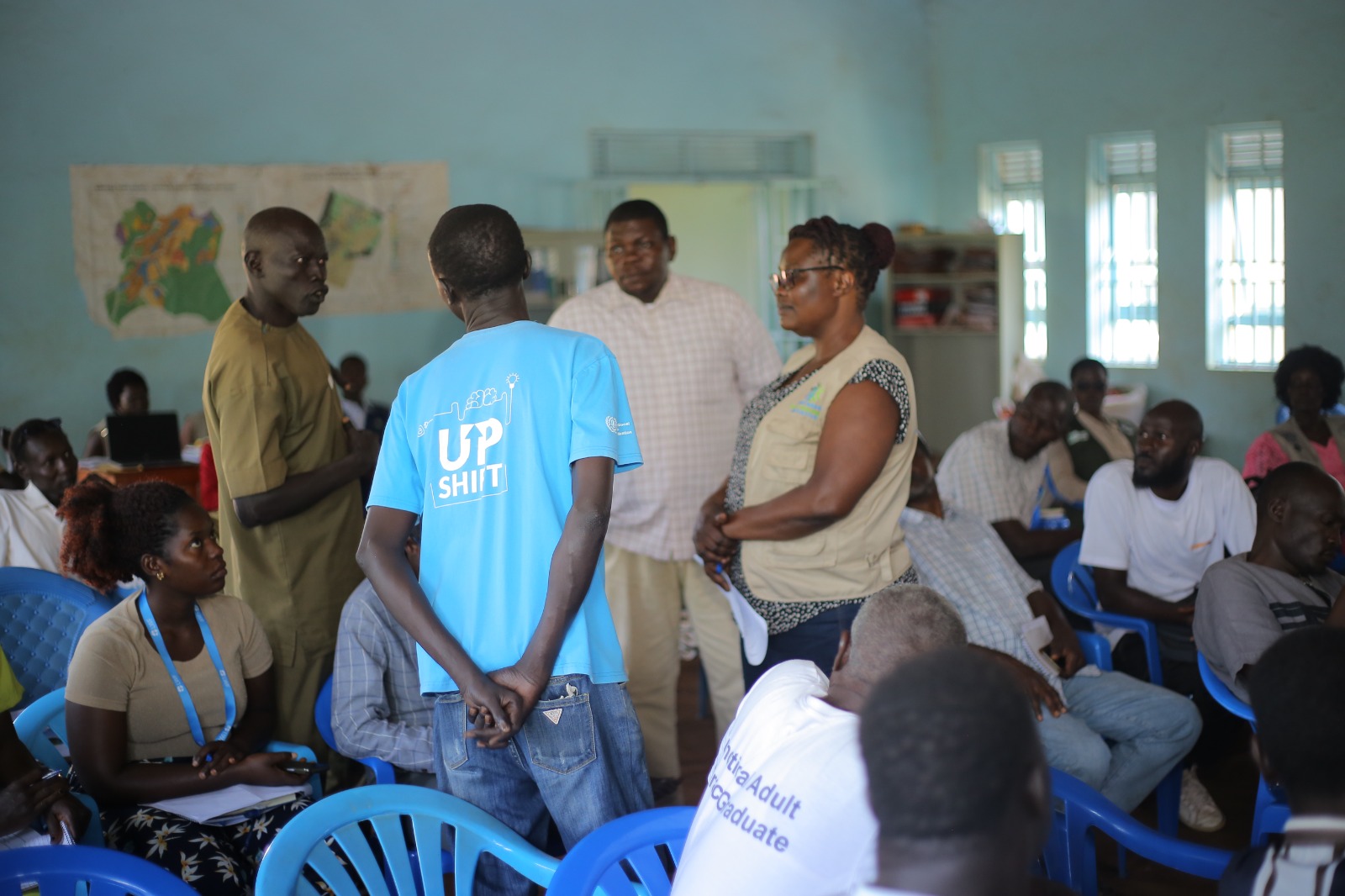
The impact is being felt in classrooms as well as community spaces. Teachers and community leaders have reported increased parental involvement in education, improved school enrollment and retention, and more girls returning to school after being at risk of early marriage.
“I have witnessed significant positive changes in our community as a result of the advocacy and awareness efforts promoting education. More parents are now enrolling and keeping their children in school, and many girls who were once at risk of early marriage have returned to the classroom with renewed hope for their future. These advocacy initiatives have helped families understand that education is a fundamental right and a powerful pathway to personal and community development. The impact is visible every day in our classrooms, where more children now have the opportunity to learn, grow, and pursue their dreams.” – Musherewe Annet, teacher at Victoria Primary School in the Kiryandongo settlement.
For community advocates, the experience has demonstrated how information and collective action can translate into lasting change.
“I have learned that advocacy is a powerful tool for improving access to education, strengthening, and promoting better service delivery. I am inspired to continue championing education because I have seen firsthand how awareness can change attitudes, influence behavior, and create lasting opportunities for children and their families.” – Esraa Osman Bashir, female refugee member.
Community dialogues and advocacy campaigns are boosting local peace structures. They help build trust and increase community ownership of peacebuilding.
For the refugee and host communities in Kiryandongo, these initiatives are providing more than opportunities to address conflict. They help people find their voice, work together, and build a future. In this future, peace, education, and opportunity are shared by everyone.
This program is made possible thanks to the financial support of a foundation that wishes to remain anonymous.