February 27, 2026 – For decades, communities across Northern Uganda’s Acholi Sub-Region have lived with the psychological aftermath of conflict. Abduction, displacement, violence, and loss linked to the Lord’s Resistance Army (LRA) have left many survivors struggling with depression, anxiety, stigma, substance abuse, and suicidal thoughts, often without access to appropriate mental health care. These unaddressed wounds have fueled cycles of suffering that affect individuals, families, and entire communities.
Through its Health and Well-being pillar, WPDI responds to this urgent need with trauma-informed care, Sexual and Reproductive Health (SRH) education, and community-based awareness initiatives that restore dignity, resilience, and hope.
Trauma Healing & Individual Support
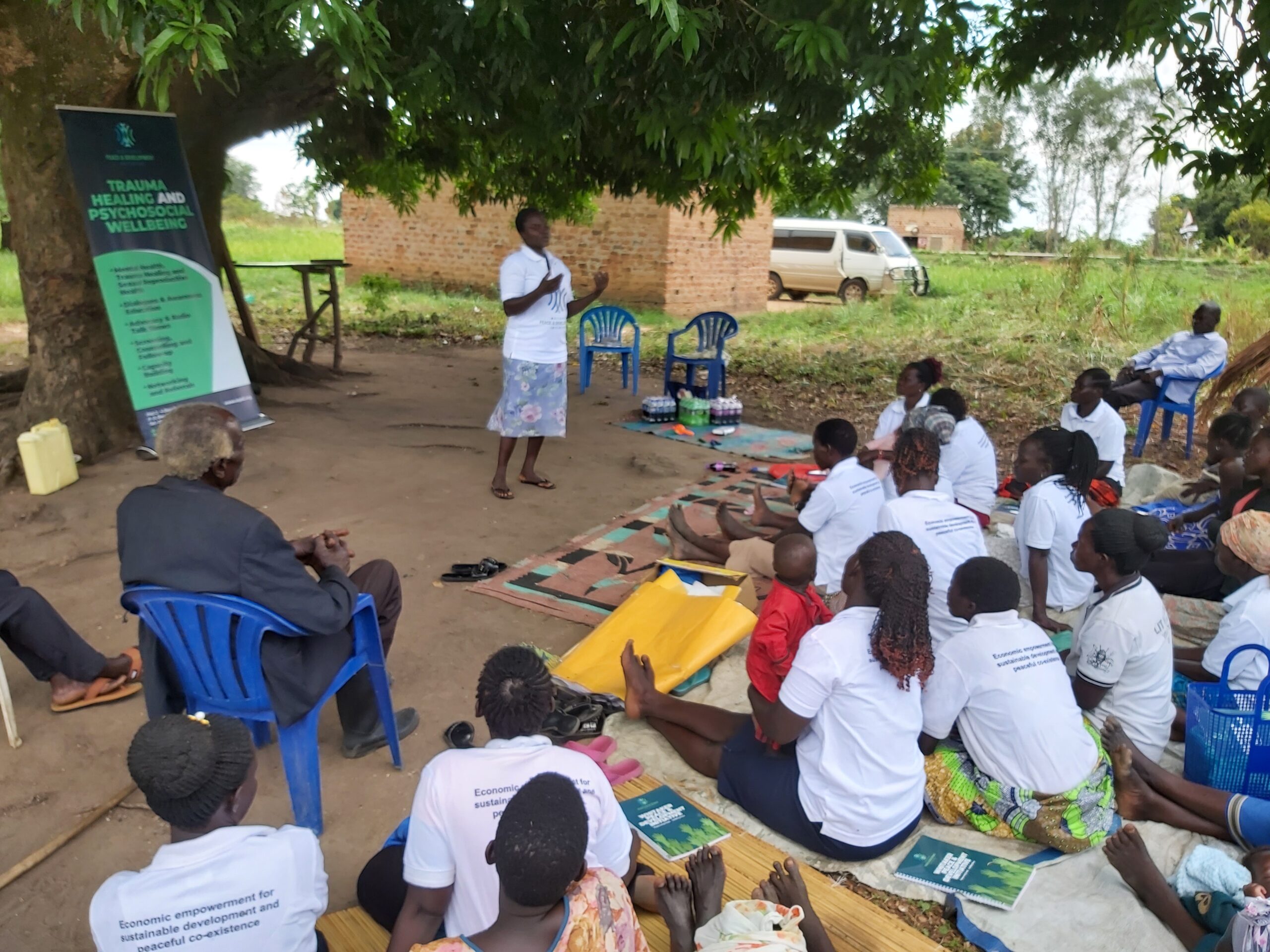
Survivors often come to WPDI carrying fear and silence shaped by stigma around mental health experienced in communities where speaking openly about emotional pain is often discouraged. To the contrary, WPDI’s trauma-healing programs provide safe, compassionate spaces where survivors can process grief, rebuild coping mechanisms, and reconnect with themselves – and their communities.
“When I first heard about the mental health screening at the Community Learning Center in Gulu, I was terrified. I thought, ‘If I open my mouth, they will laugh at me or call me weak.’ But from the moment I walked in, the staff welcomed me with nothing but kindness. They listened without rushing me, and they asked questions so gently that I felt safe to speak. For the first time, someone helped me see that what I was feeling wasn’t weakness; it was the heavy weight of everything I had survived.”
— Akello Jennifer, 28, Gulu District
In the Acholi Sub-Region during 2025, WPDI screened and assessed 2,860 survivors for conditions including severe depression, anxiety, suicidal ideation, stigma, and substance-use disorders. From this group, 292 individuals received tailored one-on-one counselling and home-based psychosocial support, while 111 survivors were referred to clinical facilities for specialized mental health care. Over half of those supported were women.
One survivor, Ejang Patience from Omoro District, entered the program experiencing severe depression, high suicide risk, and complete social withdrawal. Through regular counselling, clinical referral, and consistent home visits that involved her family, Ejang experienced a profound transformation.
“For the first time in many years, I could finally breathe freely again. I forgave those who hurt me, and I forgave myself. Today, I feel lighter, stronger, and full of hope.”
— Ejang Patience, Omoro District
Her suicidal thoughts significantly receded, family relationships started restoring, and she began actively participating in community life again, demonstrating the life-changing impact of personalized, sustained psychosocial support.
Building Community Capacity
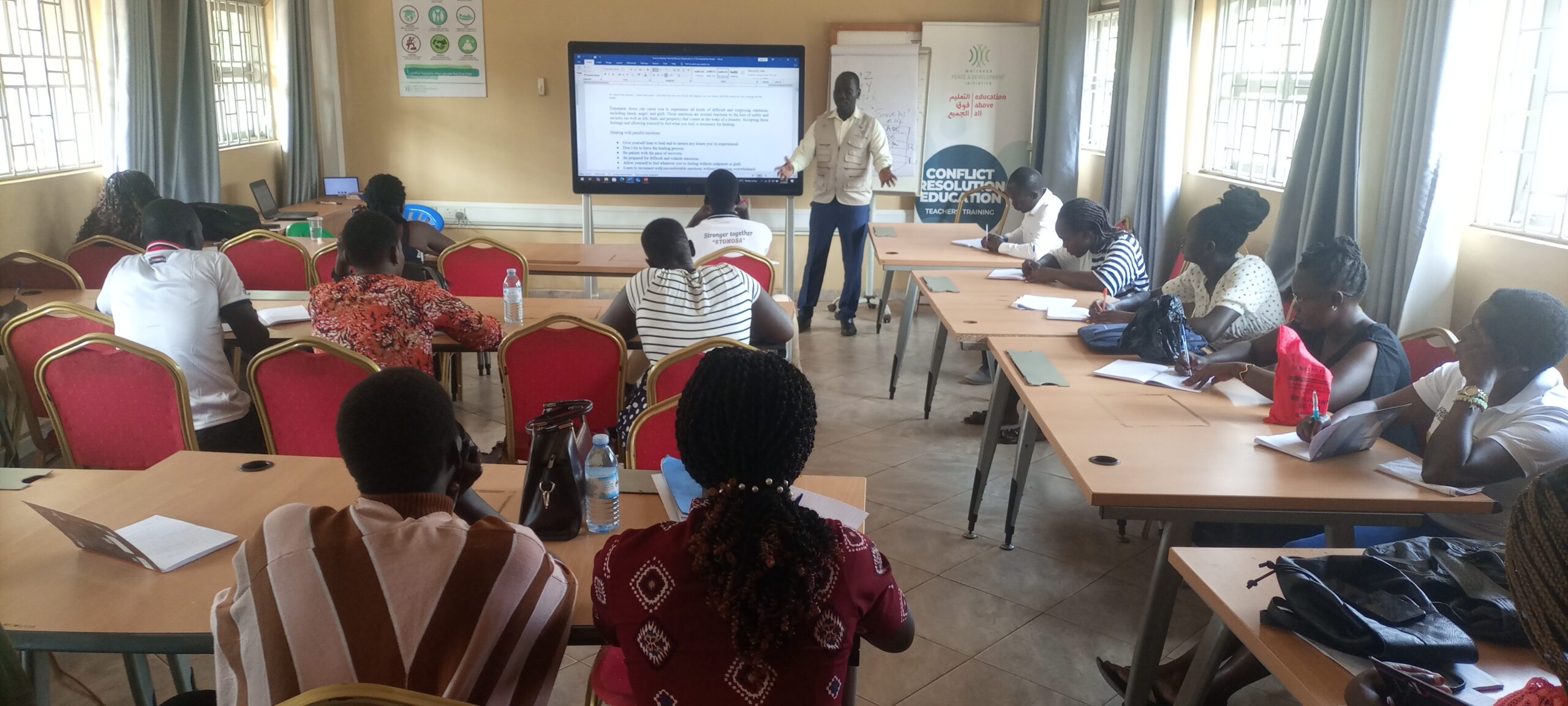
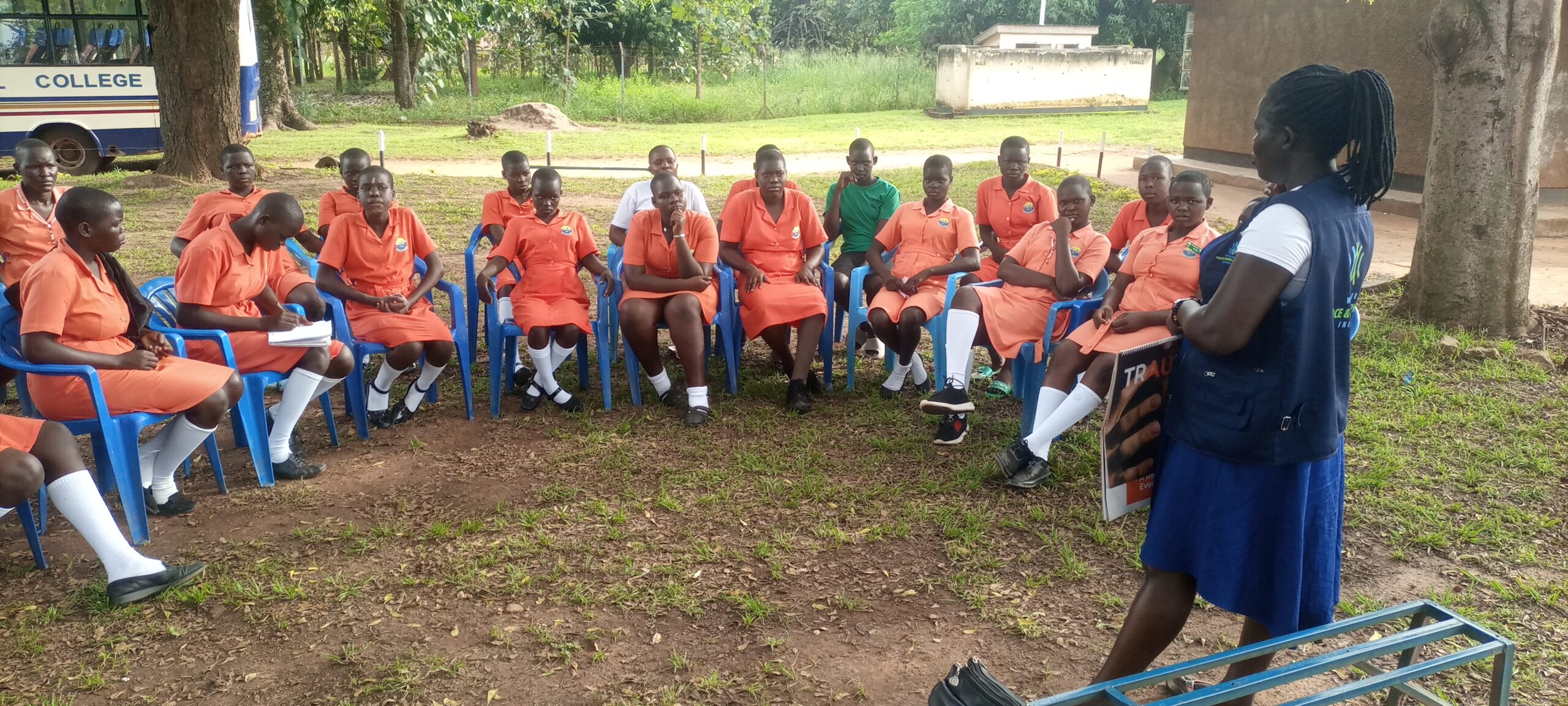
To strengthen early identification and referral, WPDI conducted 34 mental health awareness and trauma education sessions across 12 schools, 20 health centers, and surrounding communities, reaching 1,003 participants. Teachers, health workers, and community members are now better equipped to recognize trauma, provide psychological first aid, and connect survivors to professional care.
“Before the trauma-healing sessions, many children were angry, withdrawn, or unable to concentrate. Now they are calmer, more focused, and hopeful again.”
— Abalo Alice Monica, Teacher, Kitgum Public Primary School
Sexual & Reproductive Health Education
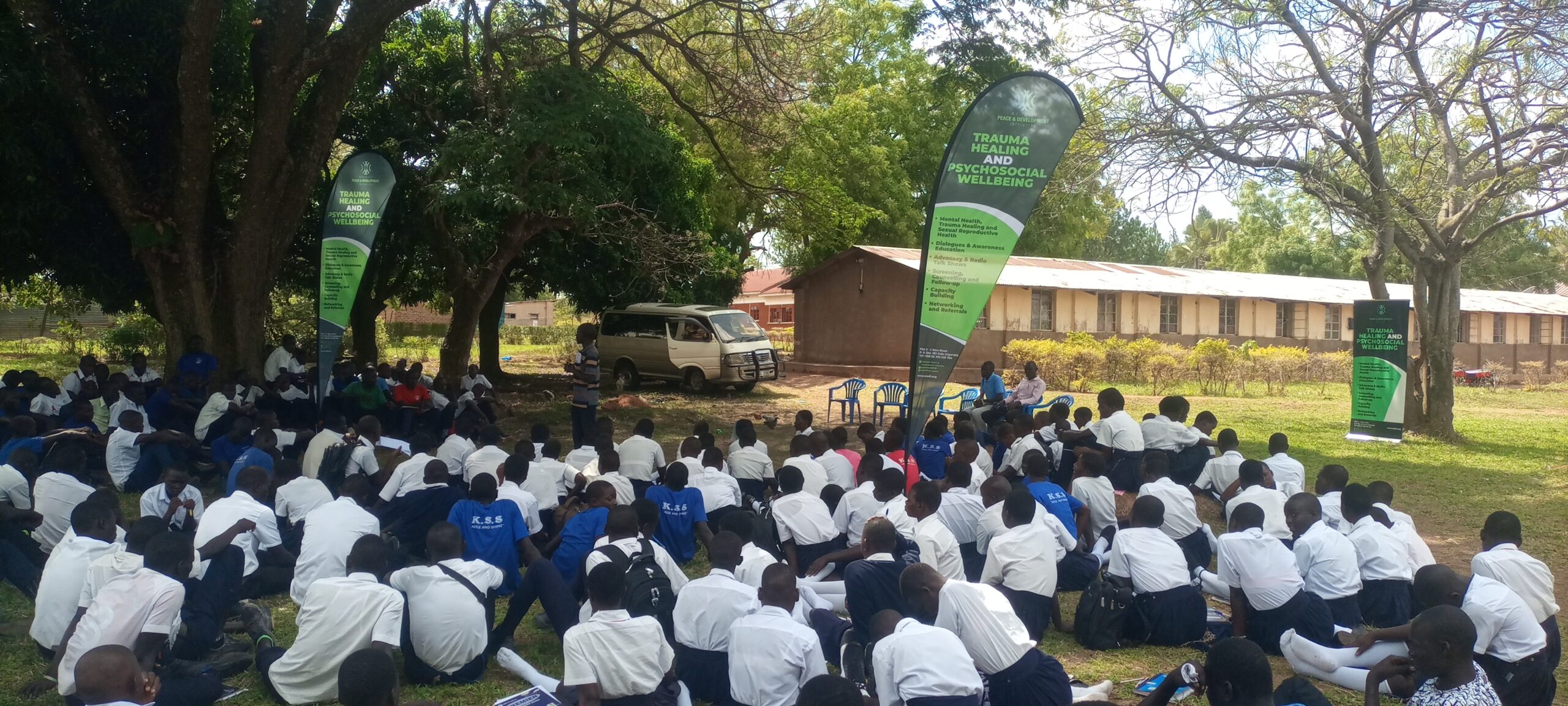
Alongside trauma healing, WPDI advances SRH education to empower young people with knowledge and choice. Through youth-led forums, school health clubs, and community dialogues, WPDI reached 1,192 youth, including in-school and out-of-school adolescents and young parents. These efforts have reduced stigma, improved menstrual health management, strengthened referral pathways, and helped keep girls in school.
“I used to miss school every month during my period because I felt ashamed and had no pads. After the WPDI project started, the school began providing reusable sanitary pads and holding sessions on menstrual health. The club leaders even taught us how to make simple pads at home and how to speak openly with our parents. Thanks to this support, I hardly miss classes anymore, and my confidence has grown a lot. I’ve also learned about consent and how to say ‘no’ when someone pressures me. I feel stronger and better prepared for the future.”
— Aber Sakira, Age 13, Kitgum Public Primary School
Together, these integrated interventions show that healing is not only possible but essential for lasting peace.
In partnership with