An op-ed by Forest Whitaker on International Day of Peace
September 21, 2026
We know the cost of conflict. We see it in families forced from their homes, children pulled from classrooms, livelihoods destroyed, and communities divided. Around the world, enormous resources are mobilized to respond to these consequences.
But what if we invested just as deliberately in peace before violence begins?
This question is at the heart of this year’s International Day of Peace theme: “Invest in Peace; For Everyone, Everywhere, Every Day.”
Investing in peace is ultimately a choice about priorities. We spend trillions globally on military preparedness to deter or contain conflict after it starts, yet far less on funding the tools that prevent it. True security requires financing the human side of peace, directing philanthropic, public, and private capital into the local leaders, education, and dialogue programs that allow peaceful societies to flourish.
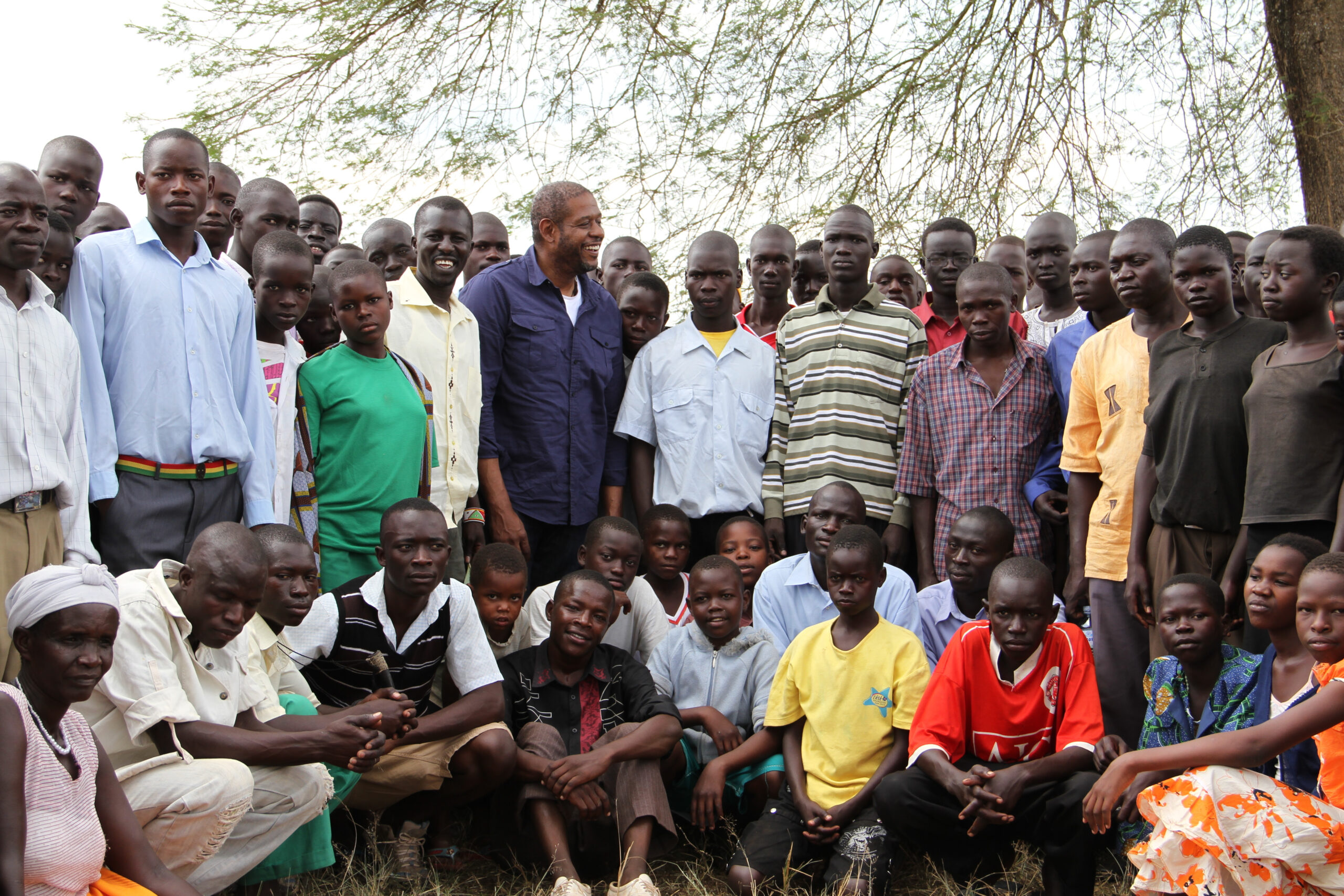
I learned this through young people affected by conflict in Northern Uganda. Many had experienced circumstances no child should endure. But when I listened to them, I saw that building peace cannot begin only after conflict has taken hold. Young people need the skills, opportunities, and voice to shape their own futures, and to help build the peaceful communities they want to live in. Investing in that potential is one of the ways we prevent conflict before it begins.
This conviction helped inspire me to create WPDI.
Since then, I’ve seen what investing in peace looks like in practice. A young person learns mediation and uses it to resolve a dispute in their community. A girl stays in school and widens what’s possible for her future. An entrepreneur builds a livelihood and creates opportunities for others. Neighbors choose dialogue when division would be easier.
No single one of these actions ends a war. Together, though, they build something rarer: communities capable of resisting violence, navigating their differences, and shaping their own futures.
We tend to think of peace as the work of presidents, diplomats, and institutions. Their leadership matters. But peace doesn’t survive on agreements alone; it needs roots.
Those roots grow in classrooms and community centers, around kitchen tables, on sports fields. They take hold through every small act that replaces exclusion with opportunity, distrust with dialogue.
That’s why investing in peace can’t be something we reach for only in a crisis. It has to be a daily commitment: from governments, from institutions and businesses, from communities, from each of us.
Because the real measure of our commitment to peace isn’t how we respond when it breaks.
It’s whether peace has roots strong enough to hold before the storm arrives.