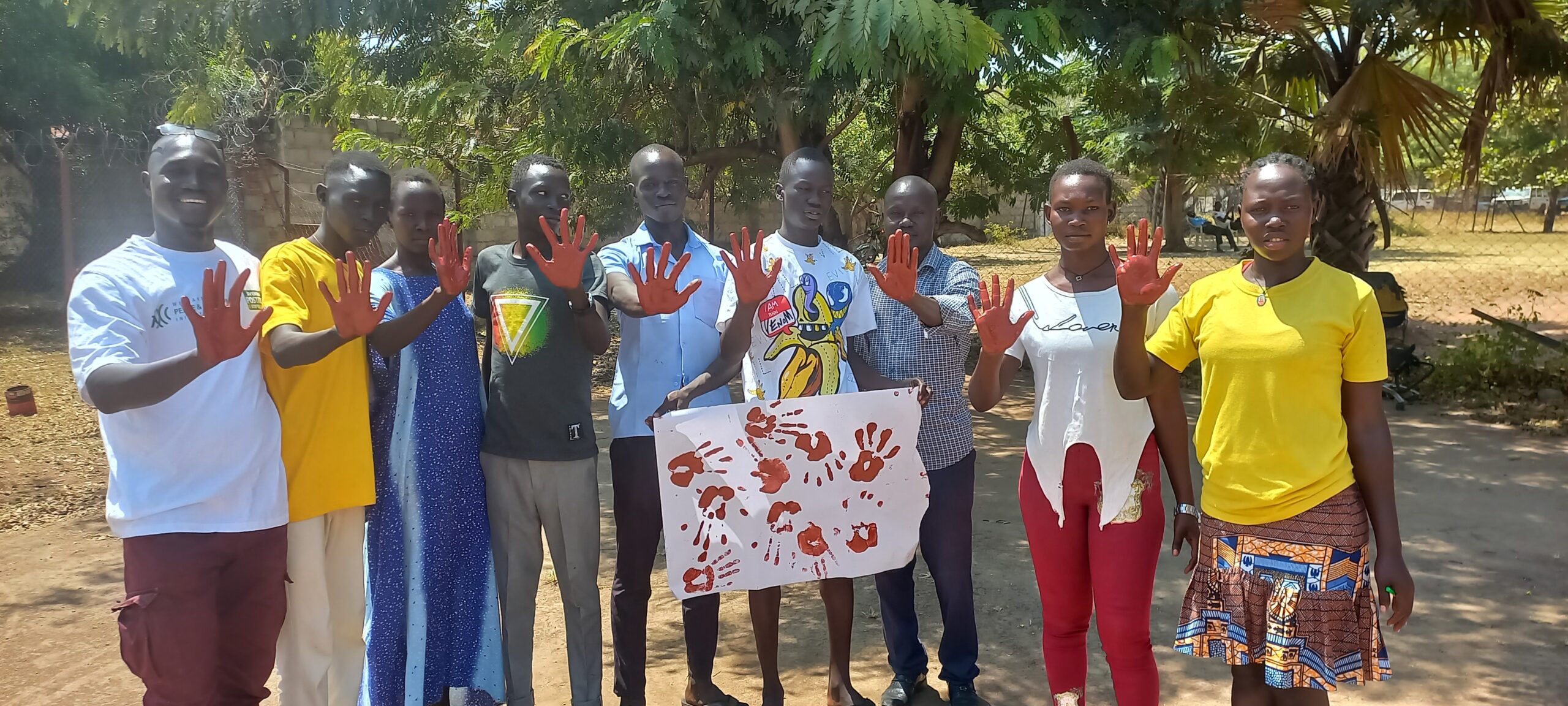
February 12, 2026 – Today, as the world observes Red Hand Day, the International Day Against the Use of Child Soldiers, we are reminded of the lasting human cost that armed conflict can have on children and, consequently, on their communities. Today underscores the importance of sustained efforts toward healing, justice, and prevention.
Uganda and South Sudan have both faced the devastating impact of this practice, despite its prohibition under the 1989 United Nations Convention on the Rights of the Child. In northern Uganda, thousands of children were abducted during the war with the Lord’s Resistance Army (LRA), they were forced into violence or labor, and separated from their families at a young age. In South Sudan, decades of civil conflict similarly exposed children to forced recruitment and widespread violations of their basic rights.
Even after the fighting has subsided, many communities in both countries continue to experience lasting consequences, including lost education, stalled socioeconomic development, and deep psychological trauma. The path to reintegration is long and difficult, as those once forced into armed groups grow into young adults who are too often marginalized and denied the chance to live full, stable lives within their communities.
Peace begins with the youth, and opportunity is essential to sustaining it.
WPDI’s work in Uganda and South Sudan seeks to address the critical reintegration gap through peace education and conflict resolution training, vocational and entrepreneurship programs, and trauma healing and counseling. At the core of these efforts is the creation of safe, supportive spaces where young people can rebuild trust, develop leadership skills, and reconnect with their communities.
Over the past decade, we have received countless testimonials from former child soldiers who affirm the relevance and lasting value of these programs in their lives. Their impact is not only due to intentional program design, but also to WPDI’s strategic approach; one shaped directly by the resilience, insight, and determination of the young people we serve.
In fact, WPDI’s story began with conversations between our founder, Forest Whitaker, and socially engaged former child soldiers in northern Uganda in the mid-2000s. Their commitment to helping their communities heal and preventing future conflict left a profound impression on him. It inspired a vision for an organization that would not simply support youth as beneficiaries, but empower them as leaders and agents of social transformation.
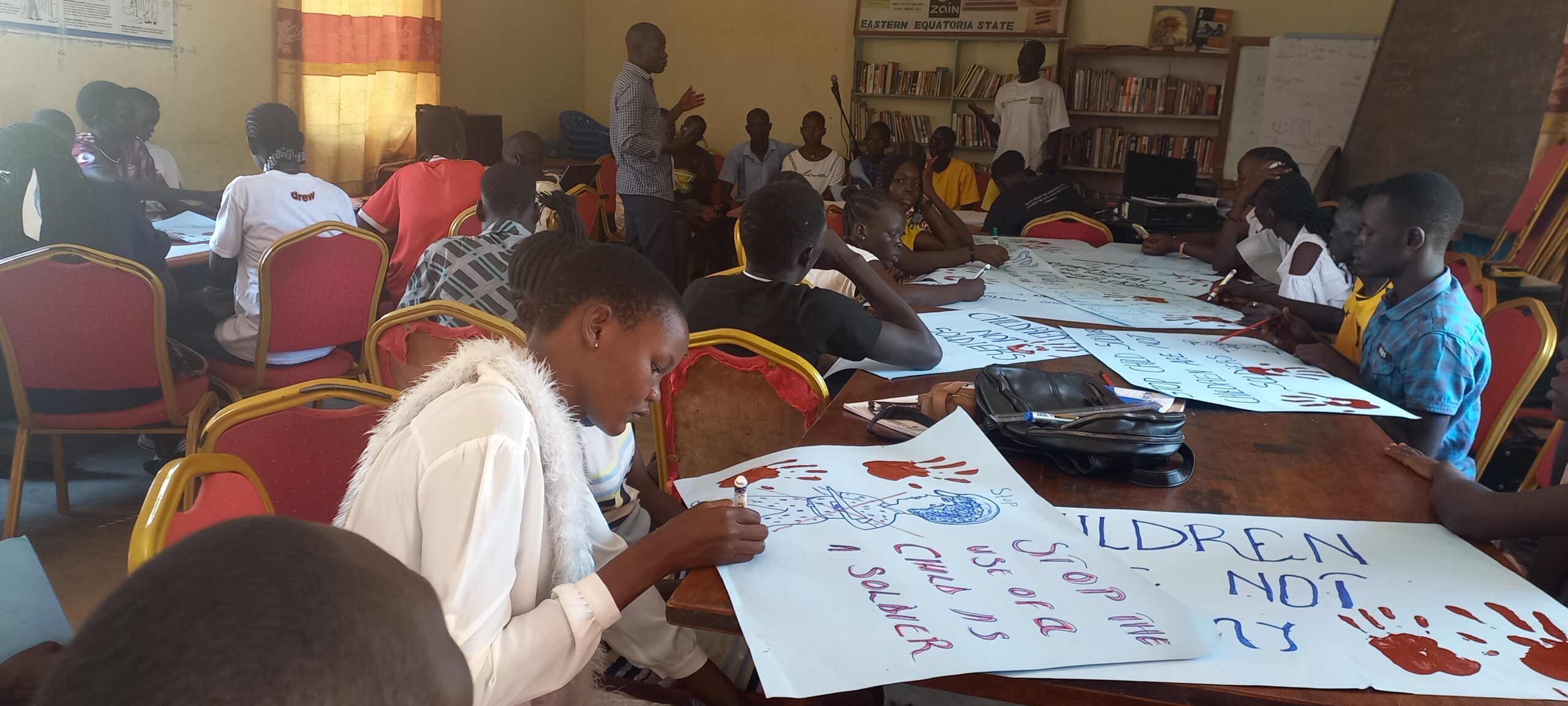
Today, across Uganda and South Sudan, our teams mark Red Hand Day not as an annual observance but as a living commitment. They convene dialogues in villages still bearing the memories of conflict, invite elders, teachers, and youth to think together about protection and healing, and create spaces where former child soldiers can speak without stigma. These initiatives are not simply awareness-raising exercises: they are acts of collective re‑empowerment, ensuring that communities most affected by violence become the authors of their own resilience. In this way, WPDI continues to nurture a generation for whom peace is not just an idea, but a daily, local, and shared practice.
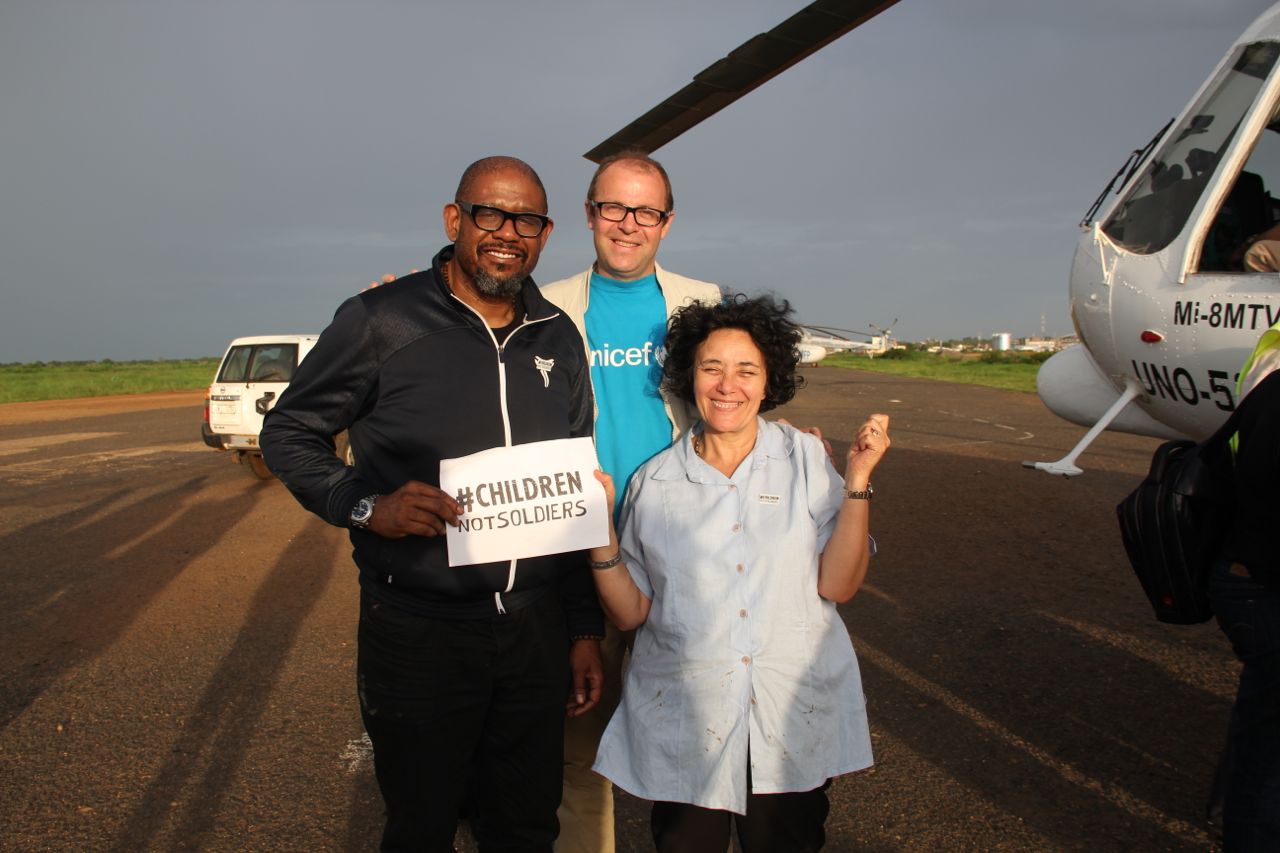
Forest Whitaker: From Witness to Peacebuilder
WPDI Founder and CEO Forest Whitaker’s commitment to peacebuilding began not as an abstract mission, but through human connection. While filming The Last King of Scotland, Forest was invited to visit Hope North in Uganda, an organization working with children affected by the LRA conflict. What he encountered there fundamentally changed his understanding of war, trauma, and reconciliation.
In a 2011 interview with CBS News, he reflected on this experience:
“He asked me if I would go up and visit. I knew about the historical issues around the war with the LRA and stuff – Lord’s Resistance Army. But this is the first time I’ve had real, deep contact, spending time with the child soldiers, raising money for them, and helping them build their dormitories and schools, and they’ve been succeeding. I mean, it’s more like a village. It’s more like a community where these child soldiers who have no families, and in some ways are adopted by the community.”
Through this close engagement, Forest began to grasp both the scale of the violence and the resilience of the children and communities affected. He described how child soldiers are often taken at extremely young ages and subjected to unimaginable harm:
“Child soldiers are often taken around age 8 and sometimes even younger and pressed into service. They have been forced into war and been trained as soldiers who’ve been forced many times to kill their parents, or their relatives, or their friends.”
Trauma, Healing, and Reconciliation
Forest Whitaker’s reflections underscore the long-term psychological impact of these experiences, particularly for children trying to rebuild their lives after violence:
“Some of the stories are really difficult, and a lot of them are suffering obviously nightmares, post-traumatic stress, and different things. There was one boy I interviewed, and his thing was like he doesn’t like to stay still, he doesn’t like to be alone, he likes to be able to dance, or be at places, because when he sits still, he has to think.”
As the conflict ended and camps began to close, he emphasized that the most difficult work still lay ahead: reconciliation, both within communities and within individuals themselves:
“The camps are slowly dispersing, and over the next few years they should be empty, but the difficult thing is How do you reconcile? How do you reconcile when you have someone to revisit or to go back to their families, or their village where they were forced to or killed their neighbor or their parents? And so how do you reconcile that? How do you reconcile within yourself the things that you’ve done, you know, how do you find peace? But there has to be a forgiveness of self, as well as a forgiveness on the outside, but definitely of self.”
From Experience to Action: WPDI’s Mission
These firsthand experiences shaped Forest’s vision for creating WPDI: lasting peace cannot be achieved through policy alone but requires sustained investment in education, emotional healing, and, chiefly, community-led reconciliation. WPDI was founded on the belief that peace is not simply the absence of violence, but also the presence of dignity and opportunity.
Today, WPDI honors the ordeals and the resilience of the many children affected by war.