Honoring Identity, Creating Opportunity in Chiapas
 47%
47%
of all Mexicans complete secondary education
 460,000
children under the age of 18 are actively involved or working for drug cartels
 45%
45%
of the Mexican population lives below the poverty line
The state of Chiapas, home to one of the largest Indigenous populations in Mexico, faces persistent challenges rooted in historical marginalization, high levels of poverty, and social exclusion. More than three decades after the Zapatista uprising of 1994, which secured expanded rights for Indigenous communities, many people in Chiapas continue to experience inequality and limited access to opportunities, hindering the region’s development. These issues are compounded by geographic isolation and insufficient infrastructure, contributing to ongoing socio-economic disparities, particularly in rural and Indigenous communities.
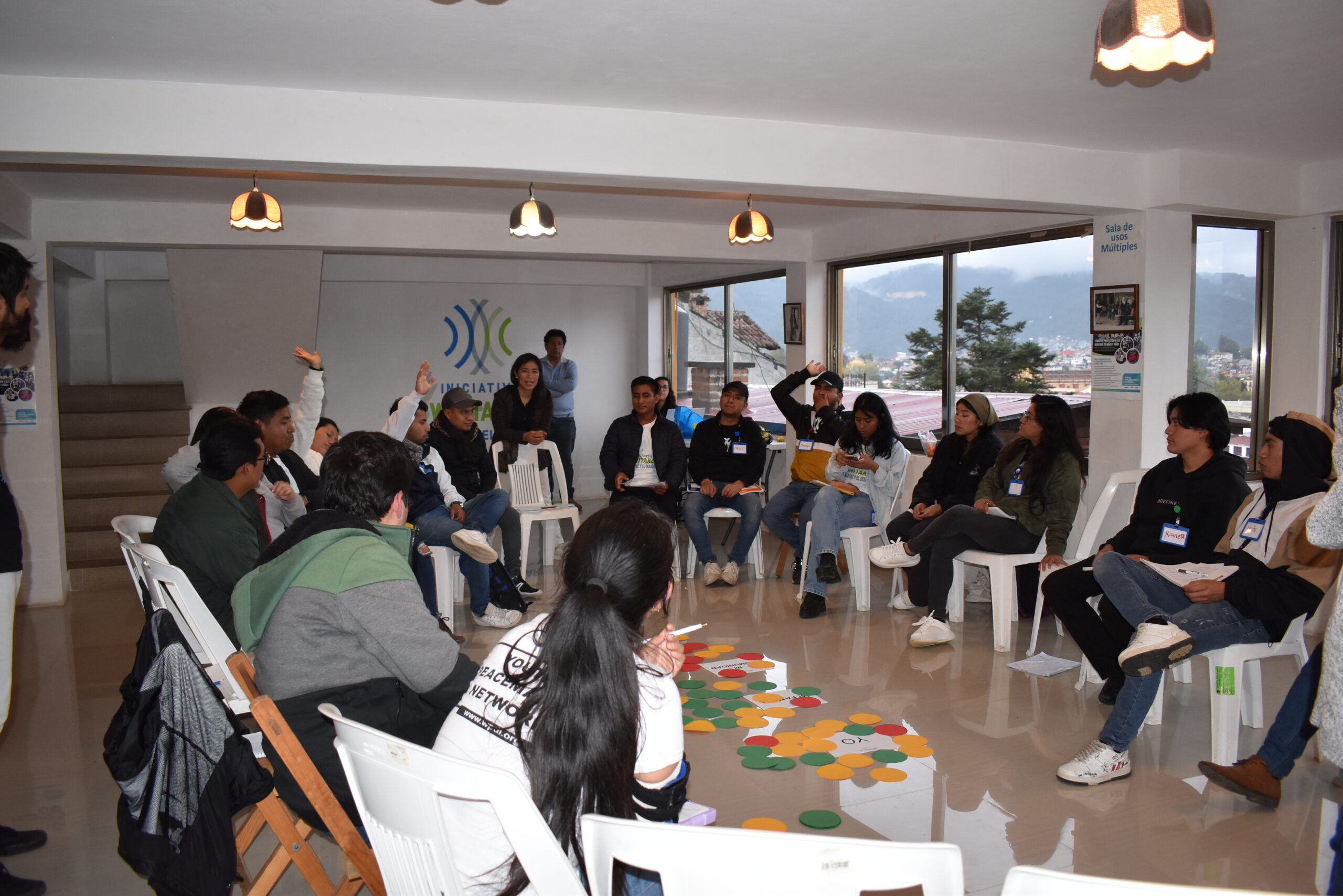
Economic Indicators: Poverty Rate: 37.7% Unemployment Rate: Varies significantly by region
Education: Significant disparities in educational attainment, with many regions lagging in secondary and higher education completion rates
Gender Inequality: Women are 51% less likely than men to have equal opportunities in political and business participation. Mexico also continues to face a femicide, where women continue to be targeted by violent crimes for their gender.
Youth Issues: High levels of youth involvement in gangs and criminal activities, particularly in drug trafficking Many youths are disengaged from education and employment opportunities.
Peace and Security: Organized crime drives 80% of homicides and gun violence. Tijuana is one of the most violent cities globally, with a homicide rate of 107.05 per 100,000 residents in 2023
Climate Impact: Mexico faces significant climate-related challenges, including increased severity and frequency of natural disasters, impacting vulnerable communities
WPDI’s Initiative
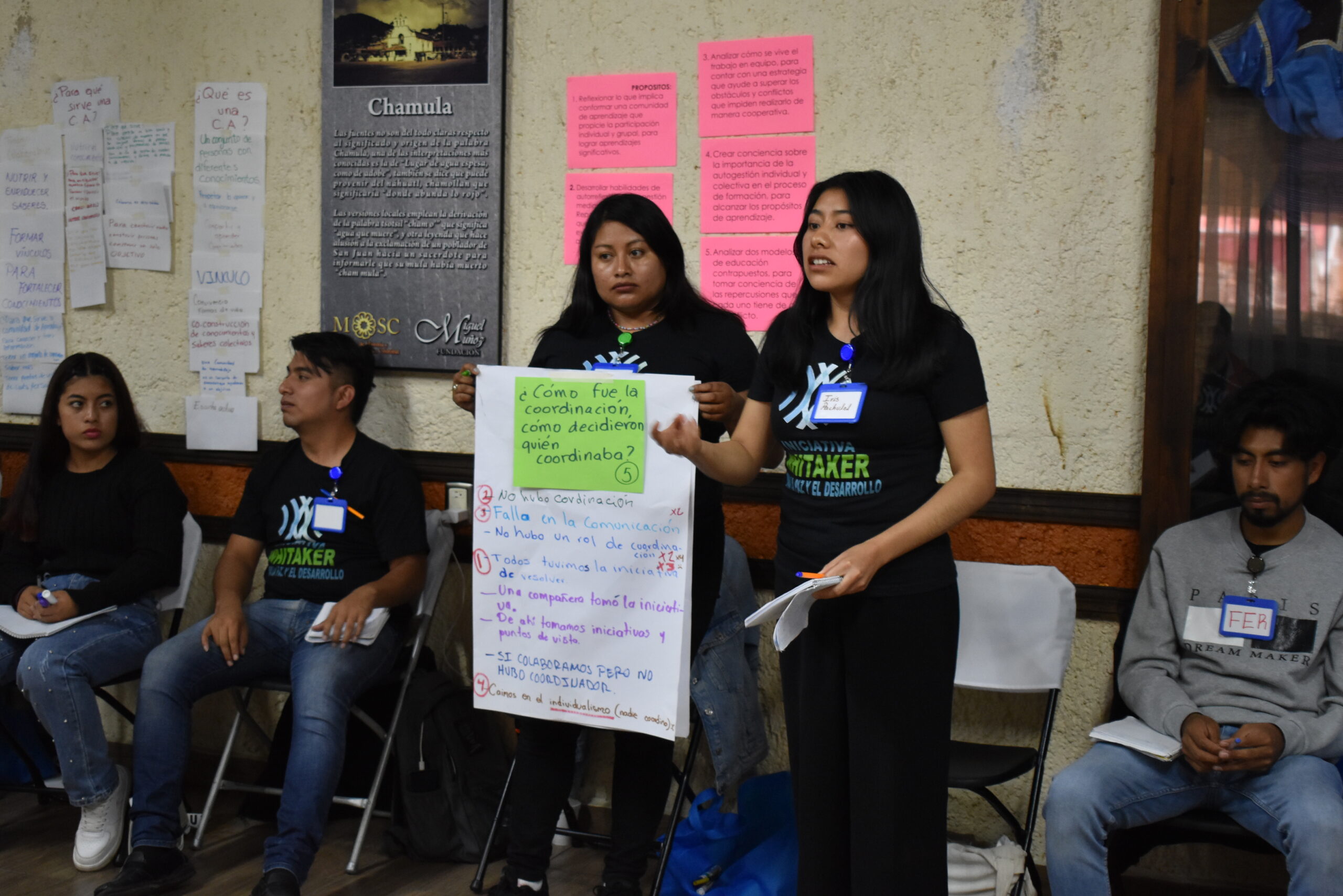
Youth Peacemaker Network: WPDI trains young leaders in conflict resolution, leadership, and entrepreneurship, equipping them to lead peacebuilding efforts and drive positive change within their communities.
Community Dialogue: Through facilitated discussions, WPDI creates safe spaces for communities to address local challenges, strengthen social cohesion, and develop collective solutions.
Community Learning Centers (CLCs): CLCs serve as accessible hubs for learning and connection, offering free internet, educational resources, and training in ICT, conflict resolution, and business development.
Business Bootcamp: Supports youth-led small businesses to stimulate economic growth and sustainable development in the region.
Trauma Healing and Mental Health Programs: Addresses the psychological impact of violence and trauma through counseling, support groups, and workshops, promoting mental wellbeing and resilience.